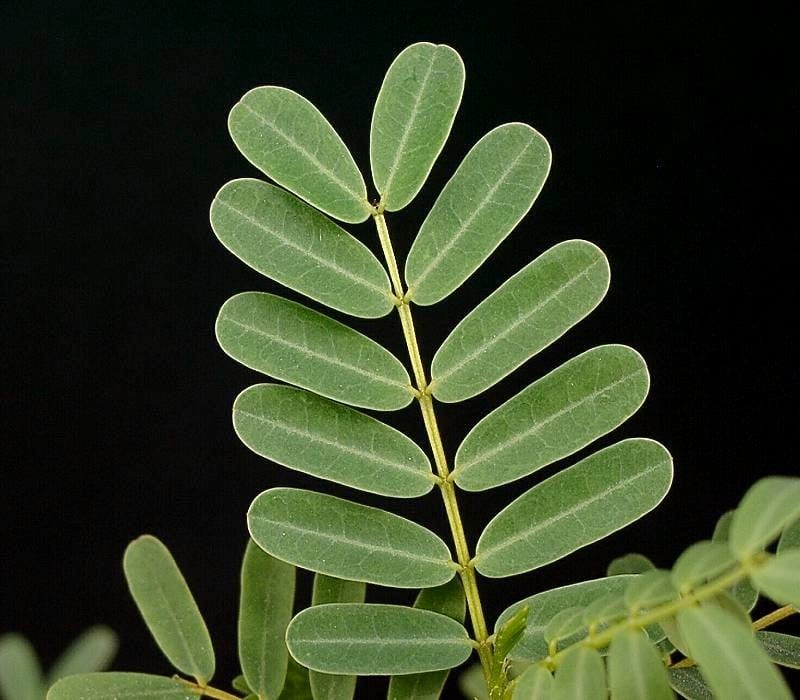
 © Frank Vincentz / CC BY-SA 3.0
Delonix decaryi
Delonix decaryi is a caudiciform legume native to southwestern Madagascar, prized for its distinctive bottle-shaped trunk with peeling gray bark and an umbrella-like canopy of fine, feathery pinnate leaves. Its fragrant white flowers, accented by long red stamens, add another layer of appeal. While best suited to growers with some experience, this species can reach heights of 3 to 10 meters in its native habitat, yet stays compact and manageable when grown in a container, making it a striking long-term addition to any collection.
View Delonix decaryi encyclopedia →0% commission on your first sales!Register by September 30, 2026 and your first 2 plants are commission-free!
Grower Wanted!
List your plants on GrowerDirect and sell directly to customers nationwide!
6 Transparency Commitments from GrowerDirect
Our Grower disclose all key information for Caudex Plants listings, ensuring complete transparency on variety, origin, light needs, and difficulty.
- Variety Disclosed
- Real Plant Photos
- Color Details
- Origin Disclosed
- Light Requirements
- Difficulty Level
Browse all 146 varieties
Light Requirements
Difficulty Level
Verified growers wanted for Caudex Plants
Growers are signing up now ahead of launch. Subscribe to be notified when new listings go live.
Getting alerts is free with a member account. When new listings match your saved search, we'll notify you by email and in-app.
Browse other categories
Verified growers (preview)
Are you growing caudex plants?
Register as a grower and connect with buyers directly.
Apply as a growerDelonix decaryi key facts
- Growing Difficulty
- Intermediate
- Lifespan
- Long-lived woody plant (little published data)
- Size
- 3–10 m tall with a trunk up to 80 cm across in the wild; stays small in a pot
- Watering
- Regular feeding in the growing season
- Light & Placement
- Give it plenty of sun all year; it grows in light shade to full sun.
- Watering
- Water generously in summer.
- Temperature & Overwintering
- Keep it rather dry in winter at a minimum of about 12°C. Even mature plants are said to tolerate only about 2°C briefly, so never let it freeze; it dislikes wet winters.
- Soil & Repotting
- Plant in a rich, very free-draining, preferably stony mix.
- Propagation
- Easily raised from seed: soak the seed in hot water until the coat begins to peel, then sow; germination starts within about a week. Seedlings tend to flop, so keep them upright.
About Delonix decaryi
Delonix decaryi is a Madagascar-native caudiciform legume with a bottle-shaped trunk and an umbrella-like canopy, occasionally producing fragrant white flowers. Suited to intermediate growers, it can also be kept compact in a pot.
7 things to know before growing Delonix decaryi
1Give It Full Sun
Delonix decaryi thrives in bright light, so place it outdoors or near a sunny window whenever possible. It's sensitive to cold, so move it to a warm, well-lit spot indoors when temperatures drop.
2Water With the Seasons
Water thoroughly once the soil surface dries out during the growing season. Once the tree sheds its leaves and enters dormancy, cut back on watering and keep it on the dry side to prevent root rot.
3Use Well-Draining Soil
Choose a fast-draining mix formulated for caudiciforms or succulents. Blending in akadama or pumice helps keep water from pooling around the roots, which is key to keeping the bottle-shaped trunk healthy.
4Repot During Growth
Repotting is safest once temperatures stabilize and the plant is actively growing. Keep the root ball mostly intact, trim away any damaged roots, and move up to a slightly larger pot.
5Leaf Drop Is Natural
As temperatures fall, the tree sheds its leaves and goes dormant — this is completely normal for Delonix decaryi. Reduce watering during this period and keep it away from cold, and it will leaf out again once warmer weather returns.
6Check Trunk and Bark
When choosing a plant, look for a trunk that feels firm and well-formed, with healthy-looking bark. Avoid specimens with damage or excessive dents, and favor ones with natural, balanced branching.
7Let the Canopy Spread Naturally
The umbrella-like canopy is part of this tree's appeal, so keep pruning to a minimum and let its natural branching shine. Simply trim back overly long or crowded branches to maintain shape and improve airflow.
Frequently asked questions about Delonix decaryi
- Q.How difficult is Delonix decaryi to grow?
- A.It's considered suitable for intermediate growers. Getting the watering schedule and winter temperature management right takes some practice, so prior experience with caudiciform plants helps. Once you understand its basic needs, it's a rewarding long-term plant.
- Q.How large does it grow?
- A.In its native habitat, it can reach 3 to 10 meters tall with a trunk up to about 80 cm in diameter. Grown in a container, though, its growth slows and it can be kept much more compact.
- Q.What should I watch for in winter?
- A.Since it's sensitive to cold, move it to a bright indoor spot as temperatures drop. Once it drops its leaves and enters dormancy, cut back on watering and keep it on the dry side.
- Q.Does it flower?
- A.As the plant matures, it can produce fragrant white flowers with striking long red stamens. Blooming requires ample sunlight and good growing conditions.
- Q.Why does the trunk have that bottle-like shape?
- A.Like many caudiciform plants native to dry regions, it stores water in its trunk and roots, which creates the swollen, bottle-like form. The peeling gray bark is another characteristic feature of this species.
Handy Growing Tools for Delonix decaryi
Learn more about Delonix decaryi in the encyclopedia
View Delonix decaryi encyclopedia entry →
Care difficulty, size, origin and light needs — all basics covered.
More in this category
Can't find the plant you're looking for?
Post your wishes for free and growers with matching plants will contact you with introductions.