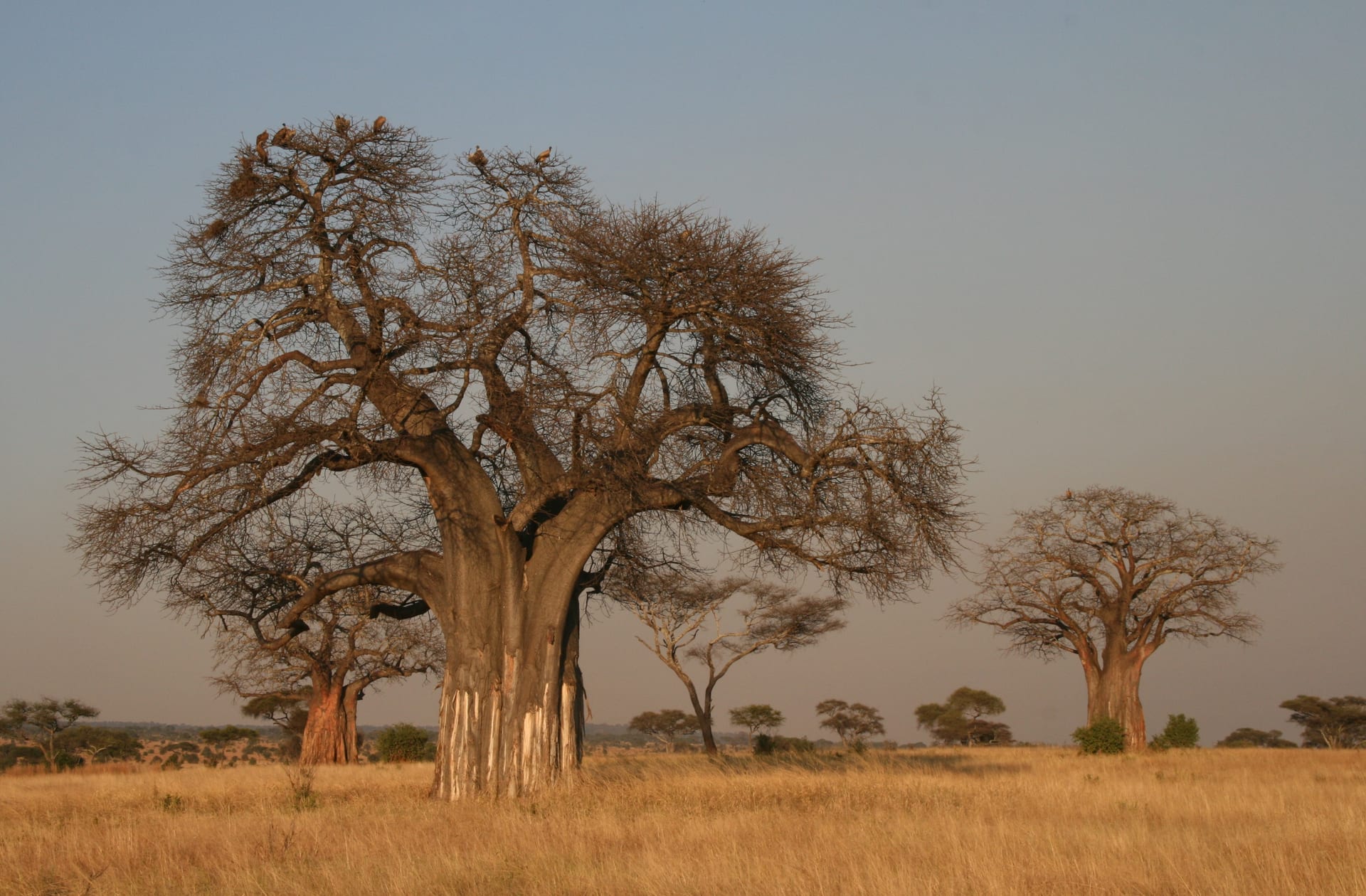
 © Yoky / CC BY-SA 3.0
African baobab
African baobab (Adansonia digitata) is a caudex-forming tree native to the savannas of Africa, prized for the swollen, bottle-shaped trunk it uses to store water through dry seasons. Seedlings start out with simple single leaves, but as the plant matures its foliage transforms into palm-shaped clusters of five to seven leaflets. In the wild these trees can reach 5 to 25 meters in height with trunks exceeding 10 meters in diameter, yet in a pot the growth stays far more compact, making it an approachable long-term companion plant. It's generally considered beginner-friendly, so it makes a great first caudex species for newcomers to the hobby.
View African baobab encyclopedia →0% commission on your first sales!Register by September 30, 2026 and your first 2 plants are commission-free!
Grower Wanted!
List your plants on GrowerDirect and sell directly to customers nationwide!
6 Transparency Commitments from GrowerDirect
Our Grower disclose all key information for Caudex Plants listings, ensuring complete transparency on variety, origin, light needs, and difficulty.
- Variety Disclosed
- Real Plant Photos
- Color Details
- Origin Disclosed
- Light Requirements
- Difficulty Level
Browse all 146 varieties
Light Requirements
Difficulty Level
Verified growers wanted for Caudex Plants
Growers are signing up now ahead of launch. Subscribe to be notified when new listings go live.
Getting alerts is free with a member account. When new listings match your saved search, we'll notify you by email and in-app.
Browse other categories
Verified growers (preview)
Are you growing caudex plants?
Register as a grower and connect with buyers directly.
Apply as a growerAfrican baobab key facts
- Growing Difficulty
- Beginner-friendly
- Lifespan
- Extremely long-lived (one tree dated to 1,275 years)
- Size
- 5–25 m tall in the wild with a trunk that can exceed 10 m across; stays small in a pot
- Watering
- Regular feeding in the growing season
- Light & Placement
- Give it good light; potted plants can be moved to a sunny window or greenhouse for winter.
- Watering
- Very drought-tolerant. Even in the growing season avoid overwatering and let the mix dry between waterings.
- Temperature & Overwintering
- It cannot take even light frost, so keep it at a minimum of 10–13°C in winter. No water is needed while it is leafless in winter.
- Soil & Repotting
- Plant in a well-drained mix; it thrives even in rainy climates as long as drainage is good.
- Propagation
- Soak seed in hot water, let it cool and leave it for 24 hours before sowing in spring or summer at 25–27°C; germination takes two to six weeks. Cuttings also root.
About African baobab
African baobab (Adansonia digitata) is a caudex plant known for its thick, bottle-shaped trunk. Its foliage shifts from simple leaves to palm-shaped compound leaves as it matures, and it's considered beginner-friendly to grow.
7 things to know before growing African baobab
1Sun and Airflow
African baobab thrives in bright light, so keep it in a sunny spot outdoors or by a well-lit window indoors. Good airflow also helps prevent the trunk and soil from staying too damp.
2Water by the Season
Water generously once the soil dries out during the growing season from spring through autumn, then cut back significantly in winter while the plant is dormant. Because the trunk stores its own water reserves, overwatering and root rot are the biggest risks.
3Well-Draining Soil
Choose a soil mix formulated for caudex plants, or blend akadama and pumice for sharp drainage. Poor drainage is a common cause of root rot, so adding drainage material at the bottom of the pot also helps.
4Repot in the Growing Season
Repotting is safest during spring to early summer, when the roots become active again. Avoid disturbing the root ball too much and move up to a pot just one size larger to minimize stress while supporting continued growth.
5Keep It Dry Through Winter
As temperatures drop in winter, the plant may lose its leaves and enter dormancy. During this period, water only sparingly and keep it in a bright, warm spot indoors to help protect it from cold damage.
6Watch the Leaves Transform
Young seedlings produce simple single leaves, but as the plant matures these gradually give way to palm-shaped leaves made up of five to seven leaflets. Watching this transformation unfold is one of the distinct pleasures of growing a caudex plant.
7Check the Trunk When Choosing
When selecting a plant, look for a trunk that feels firm and is free of wounds or major dents. Since this is a tree that grows over a very long timescale, getting a good look at its initial condition gives you a helpful baseline for future care.
Frequently asked questions about African baobab
- Q.Is this a good plant for beginners?
- A.Yes, African baobab is generally considered beginner-friendly among caudex plants. As long as you keep the basics of light and watering in mind, it's an approachable choice even for first-time caudex growers.
- Q.How large does it grow?
- A.In its native habitat this tree can reach 5 to 25 meters in height, with some trunks exceeding 10 meters in diameter. In a pot, however, growth stays much slower and more compact, so it can be enjoyed at a manageable size for a long time.
- Q.Why does the leaf shape change over time?
- A.Seedlings start out with simple single leaves, and as the plant matures these naturally transition into palm-shaped leaves composed of five to seven leaflets. This shift is a normal part of the species' growth process.
- Q.How long can this plant live?
- A.African baobab is known for its extreme longevity, with one measured specimen recorded at around 1,275 years old. It's often described as a tree that can be enjoyed across generations.
- Q.Does it need special care in winter?
- A.As temperatures fall, the plant may enter dormancy and drop its leaves, so it's best to water sparingly and keep it somewhere warm and bright indoors. Adjusting care between the growing season and dormant season is key.
Handy Growing Tools for African baobab
Learn more about African baobab in the encyclopedia
View African baobab encyclopedia entry →
Care difficulty, size, origin and light needs — all basics covered.
More in this category
Can't find the plant you're looking for?
Post your wishes for free and growers with matching plants will contact you with introductions.