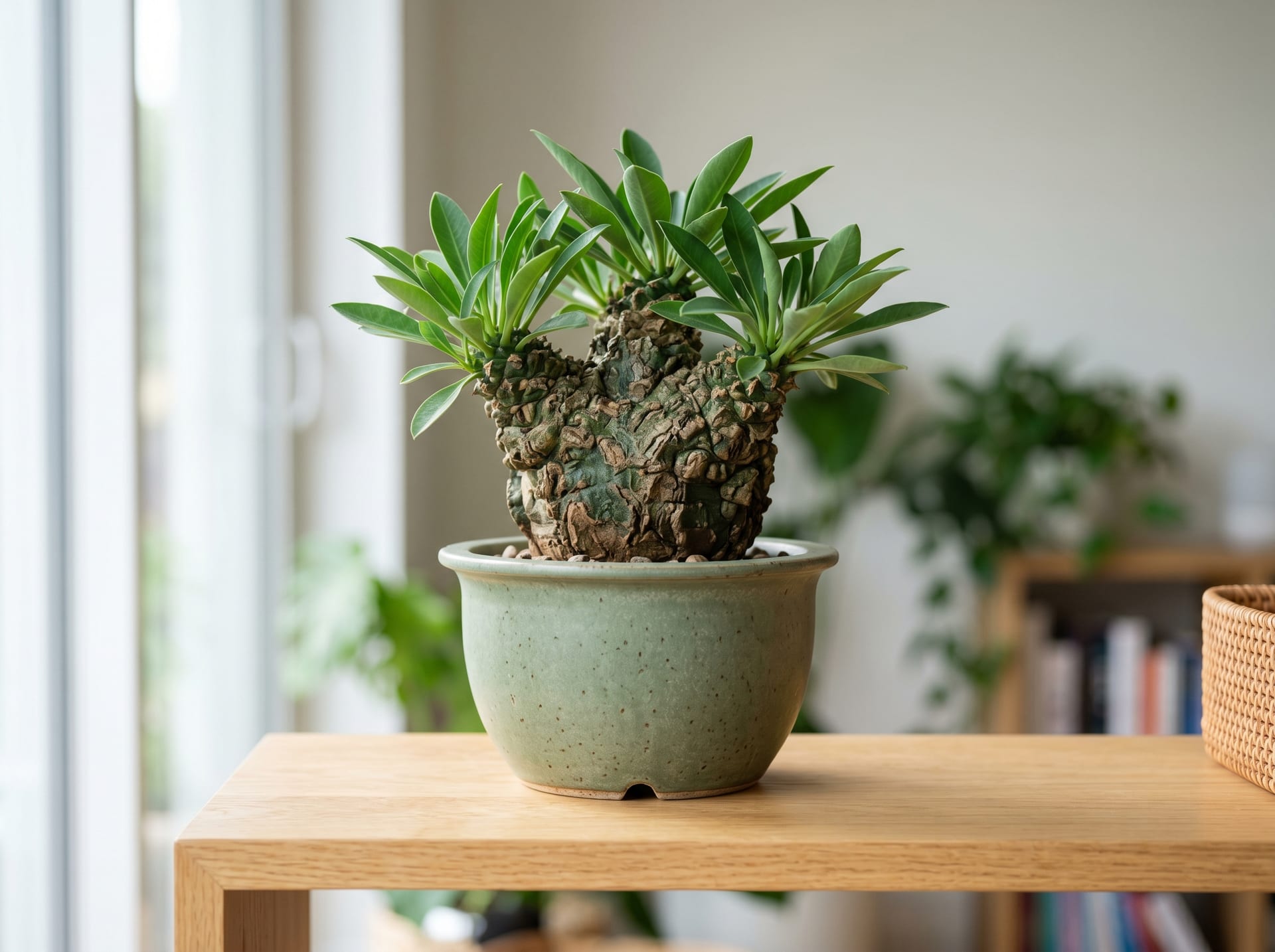
Euphorbia (Caudex)
Euphorbia (caudex types) are succulent plants native to Africa and Madagascar that store water and nutrients in swollen stems or roots, captivating collectors with their striking sculptural forms. Their drought tolerance and slow growth make them manageable even for busy plant owners. Since traits like spines and the presence of toxic white latex vary by species, it is advisable to learn each variety's characteristics before you begin growing.
0% commission on your first sales!Register by September 30, 2026 and your first 2 plants are commission-free!
Grower Wanted!
List your plants on GrowerDirect and sell directly to customers nationwide!
6 Transparency Commitments from GrowerDirect
Our Grower disclose all key information for Caudex Plants listings, ensuring complete transparency on variety, origin, light needs, and difficulty.
- Variety Disclosed
- Real Plant Photos
- Color Details
- Origin Disclosed
- Light Requirements
- Difficulty Level
Browse all 146 varieties
Light Requirements
Difficulty Level
Verified growers wanted for Caudex Plants
Growers are signing up now ahead of launch. Subscribe to be notified when new listings go live.
Getting alerts is free with a member account. When new listings match your saved search, we'll notify you by email and in-app.
Browse other categories
Verified growers (preview)
Are you growing caudex plants?
Register as a grower and connect with buyers directly.
Apply as a growerAbout Euphorbia (Caudex)
The genus Euphorbia is one of the largest in the plant kingdom, encompassing more than 2,000 species. Among these, caudex-forming types evolved in the harsh, arid landscapes of southern Africa and Madagascar, developing dramatically swollen trunks or underground storage organs to survive prolonged droughts. Though they closely resemble cacti in appearance, euphorbias belong to the family Euphorbiaceae — an entirely unrelated lineage. Their defining appeal lies in the sculptural contrast between the swollen caudex and the delicate branches or leaves that emerge from it; shapes range from globular and columnar to intricate coral-like forms depending on the species. Care is surprisingly straightforward given good drainage and ample sunlight, though the milky latex sap requires careful handling. Because growth is slow — some specimens develop over decades — older plants command considerable admiration among collectors, making caudex euphorbias a rewarding long-term commitment.
Featured Growers Selling Euphorbia (Caudex)
Browse all Euphorbia (Caudex) growers (2 total) →7 things to know before growing Euphorbia (Caudex)
1Beware of Toxic Latex
Nearly all Euphorbia species exude a white latex sap when cut or damaged. This sap can irritate skin and mucous membranes, and may cause inflammation if it contacts the eyes. Always wear gloves and eye protection when handling, and keep plants out of reach of children and pets.
2Bright Light and Airflow
Caudex euphorbias thrive in strong sunlight and grow vigorously under direct sun outdoors. When growing indoors, place them in the brightest spot available, such as a south-facing windowsill. Poor air circulation encourages excess moisture and root rot, so ensure good ventilation around your plants.
3Water Only After Soil Dries
During the growing season (spring to autumn), water thoroughly only after the soil has dried out completely and a few more days have passed. In the dormant period (winter), withhold water almost entirely or give a small amount once a month. Overwatering is the leading cause of root rot, so restraint is the key to long-term success.
4Keep Above 10°C in Winter
Most caudex euphorbias originate from tropical or subtropical regions and are sensitive to cold and frost. During winter, keep them in an indoor location that stays above 10°C, and guard against cold drafts near windows. Some species can tolerate down to around 5°C, but always verify the cold tolerance for your specific variety beforehand.
5Drainage Is Everything in Soil
Start with a commercial succulent or cactus mix and add 20–30% pumice, coarse sand, or perlite to improve drainage. Avoid heavy clay-based soils, which promote root rot. Always use a pot with drainage holes and place a layer of gravel at the bottom to further aid water flow.
6Growth Is Slow—Be Patient
Many caudex euphorbias grow only a few centimeters per year, and building a thick, impressive trunk can take years to decades. Forcing growth with excess fertilizer or water often distorts the plant's shape or damages its roots. The joy of these plants lies in the slow, patient process of nurturing them over time.
7Rare Species Vary Widely in Price
Caudex euphorbias range from widely available, affordable species to rare specimens that can cost tens of thousands of yen. When purchasing from breeders or specialty stores, check the plant's health—root condition and any wounds—and request phytosanitary certificates for imported plants. Beginners are advised to start with hardy, commonly available species to minimize the risk of early failure.
Frequently asked questions about Euphorbia (Caudex)
- Q.How are caudex euphorbias different from cacti?
- A.Despite looking similar, euphorbias belong to the family Euphorbiaceae while cacti belong to Cactaceae — completely unrelated families. The most reliable distinguishing feature is the milky white latex sap that euphorbias produce when cut, which is toxic and absent in true cacti. Their spine structures also differ fundamentally.
- Q.Can beginners successfully grow caudex euphorbias?
- A.With the basics in place, they are quite manageable for beginners. The three key rules are: avoid overwatering, provide plenty of light, and bring the plant indoors for winter. The one important caveat is the toxic sap — familiarize yourself with safe handling before you start.
- Q.How often should I water my euphorbia?
- A.During the growing season (spring–autumn), watering roughly every two to three weeks — only once the soil has dried out completely — is a reasonable guideline. In winter dormancy, once a month or less is sufficient, and many species tolerate complete drought. Err on the dry side and you will avoid most common problems.
- Q.What should I do if sap gets on my skin?
- A.Rinse the affected area thoroughly with plenty of water immediately. If redness or irritation develops, consult a dermatologist. If sap enters the eyes, this is more serious — rinse with running water at once and seek medical attention. Wearing gloves and protective eyewear during handling is the most effective prevention.
- Q.Which species are subject to CITES regulations?
- A.Many euphorbia species are listed under CITES Appendix I or II, requiring permits for international trade of wild-collected specimens. When purchasing, confirm the plant is nursery-grown from seed or cuttings, and buy from a reputable source. If in doubt, ask the seller about the plant's origin and documentation.
Handy Growing Tools for Euphorbia (Caudex)
Euphorbia (Caudex) related articles
Monadenium Caudex Plant Care Guide | Water Management, Dormancy, and Cautions about Latex Sap
A comprehensive guide to growing Monadenium. Learn everything about caring for this East African caudex succulent: placement and light management, switching watering schedules between growth and dormancy periods, creating well-draining soil mixes, safety precautions with Euphorbiaceae latex sap, and propagation through cuttings and division.
Caudex Plants: Seed Growing vs. Air Layering | Complete Comparison of Differences, Advantages & Disadvantages
Complete comparison of two caudex propagation methods: seed growing and air layering. Detailed explanations of actual procedures, costs, success rates, advantages and disadvantages using Pachypodium, Adenium, Euphorbia and more.
Top 15 Popular Euphorbia Ranking 2026: Valida, Obesa, White Ghost & More Compared
A ranking guide to popular Euphorbia species. Compare 15 species favored by collectors—including Valida, Obesa, White Ghost, Lactea, Neriifolia, and Suzannae—by characteristics, ease of care, and price range.
Caudex Plants & Potting | Pot Coordination Techniques to Highlight Individuality
A guide to selecting and displaying pots that bring out the individuality of caudex plants such as Operculicarya, Adenium, and Euphorbia. We explore material, shape, and color compatibility, as well as display techniques using height, angles, and grouping.
Summer-type caudex plants: types and how to grow them | Maximizing growth during the active season
An explanation of major varieties of caudex plants that grow in summer and how to cultivate them. Introduces summer-type varieties such as Pachypodium, Adenium, and Euphorbia, along with active growth period management and dormancy preparation.
More in this category
Can't find the plant you're looking for?
Post your wishes for free and growers with matching plants will contact you with introductions.