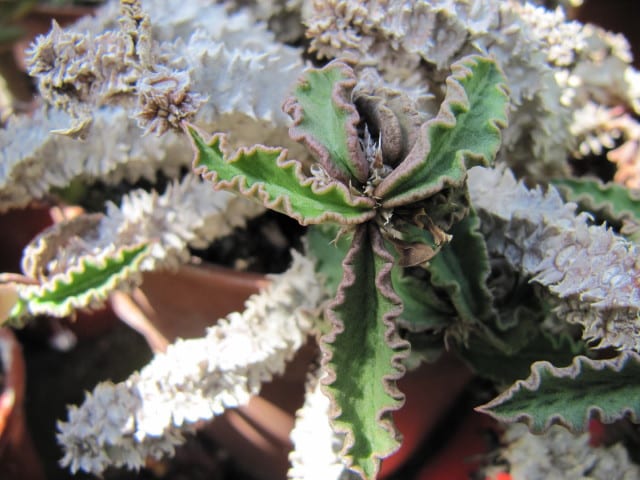
 © Leonora Enking from West Sussex, England / CC BY-SA 2.0
Euphorbia decaryi
Euphorbia decaryi is a small euphorbia native to Madagascar. It grows by spreading sideways through underground rhizomes, while its stems form eye-catching rosettes of leaves at their tips. The leaf margins are strongly wavy and crimped, ranging from deep reddish tones to green depending on the plant, and the foliage often turns a striking coppery color in summer or in dry conditions. Because it spreads outward rather than upward, it suits a shallow, wide pot. The species is listed in CITES Appendix I, and in Japan transfers and displays or advertisements for sale in principle require a registration certificate. Plants sold in Japan are mostly seed-grown, but even so, check whether a registration certificate is available before buying.
View Euphorbia decaryi encyclopedia →0% commission on your first sales!Register by September 30, 2026 and your first 2 plants are commission-free!
Grower Wanted!
List your plants on GrowerDirect and sell directly to customers nationwide!
6 Transparency Commitments from GrowerDirect
Our Grower disclose all key information for Caudex Plants listings, ensuring complete transparency on variety, origin, light needs, and difficulty.
- Variety Disclosed
- Real Plant Photos
- Color Details
- Origin Disclosed
- Light Requirements
- Difficulty Level
Browse all 146 varieties
Light Requirements
Difficulty Level
Verified growers wanted for Caudex Plants
Growers are signing up now ahead of launch. Subscribe to be notified when new listings go live.
Getting alerts is free with a member account. When new listings match your saved search, we'll notify you by email and in-app.
Browse other categories
Verified growers (preview)
Are you growing caudex plants?
Register as a grower and connect with buyers directly.
Apply as a growerEuphorbia decaryi key facts
- Growing Difficulty
- Beginner-friendly
- Lifespan
- Perennial (little published data)
- Size
- A small plant a few centimetres tall that spreads by rhizomes
- Watering
- A potassium-rich succulent fertiliser in summer
- Light & Placement
- It likes bright light but not harsh midsummer sun. Too little light makes stems leggy, and more sun deepens the leaf colour.
- Watering
- It is more often killed by keeping it too dry. Water well in summer, and even in winter do not let the soil dry out completely so that roots regrow smoothly in spring.
- Temperature & Overwintering
- Ideal summer temperature is around 25°C; keep it above 15°C in winter. It has survived light frost outdoors, but overwintering indoors is recommended.
- Soil & Repotting
- Use a free-draining mostly mineral mix and a wide, shallow bowl, as it spreads sideways. Repot every 2-4 years.
- Propagation
- Propagate by division or cuttings: wash off the latex and let cuts dry for about two weeks before planting. Seed loses viability quickly, so sow it fresh.
- Pests & Cautions
- Like all Euphorbia, its white latex irritates skin and eyes. Wear gloves when cutting or repotting and keep it away from eyes and mouth. As an Appendix I species, international trade in wild-collected plants is prohibited, so plants on the Japanese market are mainly seed-raised. Even so, check for a registration certificate before buying or listing.
About Euphorbia decaryi
A guide to growing Euphorbia decaryi, a small Madagascar euphorbia known for its wavy leaves and rhizome-spreading habit. Beginner-friendly and easy to care for.
7 things to know before growing Euphorbia decaryi
1Placement
Give it plenty of light in a bright spot; the more sun it gets, the deeper the leaf color. Too little light makes the stems stretch. The only thing to avoid is harsh midsummer sun.
2Watering
E. decaryi is often lost by letting it get too dry. Water it well in summer, and even in winter don't let the mix dry out completely, which helps it root smoothly in spring. Use a free-draining, mostly mineral mix.
3Soil
It prefers well-draining soil. A succulent or cactus potting mix, with added perlite for extra aeration, makes it easier to manage.
4Repotting
Because the rhizomes spread sideways, repot into a slightly larger pot once roots start to fill the current one. Repot during the active growing season and handle the roots gently to avoid damage.
5Seasonal Color Change
During intense summer sun or dry spells, the leaves may take on deep red or coppery tones. In periods with less light or moisture, the color tends to shift back toward green.
6Choosing a Plant
Look for a plant with firm, unblemished leaves showing little discoloration or damage. If the rhizome is visible, choose one that feels firm rather than soft or mushy — a sign of a healthy plant.
7Handling the Sap
Like other Euphorbia species, cutting the stems or leaves releases a milky white sap. It can irritate skin and eyes, so wear gloves when handling the plant and wash your hands afterward.
Frequently asked questions about Euphorbia decaryi
- Q.Is it easy to grow for beginners?
- A.It's considered beginner-friendly, but be careful not to let it get too dry, which is a common cause of failure. Water well in summer, and don't let the mix dry out completely even in winter.
- Q.How big does it grow?
- A.It's a small species that spreads sideways via underground rhizomes, gradually filling out the pot rather than growing tall, so a shallow, wide pot suits it.
- Q.Why does the leaf color change?
- A.In summer heat or dry conditions, the leaves can take on a striking coppery or reddish hue. This color shift is a natural response to changes in light and moisture.
- Q.What kind of soil does it need?
- A.It prefers well-draining soil. A commercial succulent or cactus potting mix makes it easy to manage.
- Q.Is the white sap from cut stems safe?
- A.It's a milky sap common to Euphorbia species, and it can irritate skin or eyes on contact. Wear gloves when handling the plant, wash your hands afterward, and be careful to keep it away from your mouth.
Handy Growing Tools for Euphorbia decaryi
Learn more about Euphorbia decaryi in the encyclopedia
View Euphorbia decaryi encyclopedia entry →
Care difficulty, size, origin and light needs — all basics covered.
More in this category
Can't find the plant you're looking for?
Post your wishes for free and growers with matching plants will contact you with introductions.