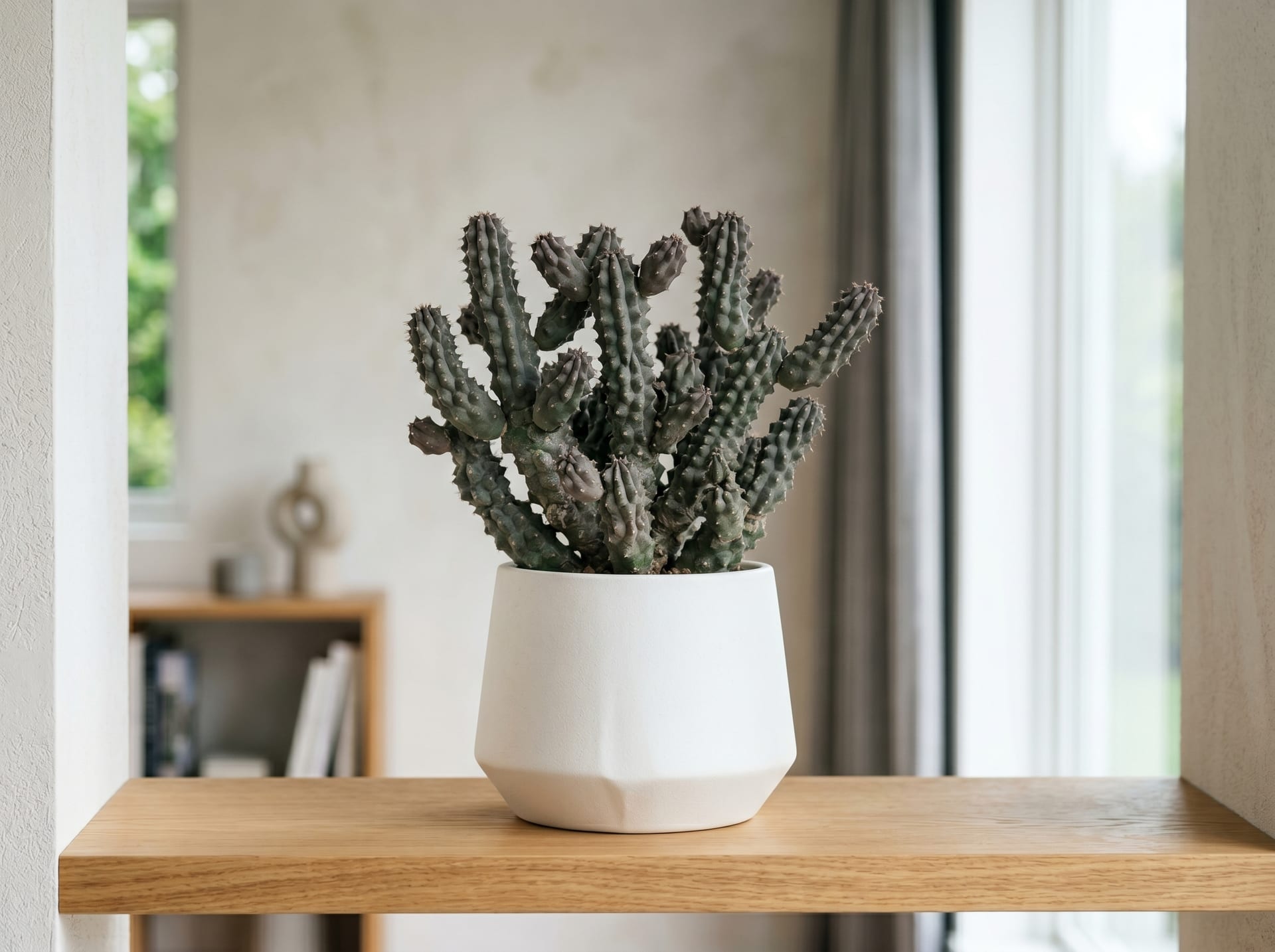
Hoodia
Hoodia is a succulent native to the arid regions from South Africa to Namibia, prized for its cactus-like columns with spiny protrusions and its large saucer-shaped flowers. Although very drought-tolerant, it is sensitive to excess moisture and cold, so it is best suited to experienced growers. Its rarity and unique appearance have made it increasingly popular among collectors.
View Hoodia encyclopedia →Grower Wanted!
List your plants on GrowerDirect and sell directly to customers nationwide!
6 Transparency Commitments from GrowerDirect
Our Grower disclose all key information for Caudex Plants listings, ensuring complete transparency on variety, origin, light needs, and difficulty.
- Variety Disclosed
- Real Plant Photos
- Color Details
- Origin Disclosed
- Light Requirements
- Difficulty Level
Browse all 146 varieties
Light Requirements
Difficulty Level
Verified growers wanted for Caudex Plants
Growers are signing up now ahead of launch. Subscribe to be notified when new listings go live.
Getting alerts is free with a member account. When new listings match your saved search, we'll notify you by email and in-app.
Browse other categories
Verified growers (preview)
Are you growing caudex plants?
Register as a grower and connect with buyers directly.
Apply as a growerHoodia key facts
- Growing Difficulty
- Advanced
- Light & Placement
- Strong sun is the rule. Keep it in a sunny, airy spot year-round so the columnar stems grow firm and compact.
- Watering
- Water sparingly as a rule, only after the soil is completely dry. Wet soil causes rot, so wait for the pot to dry out fully before watering again.
- Temperature & Overwintering
- Cold tolerance is low and it prefers warm, dry conditions. Bring it into a bright, warm room for winter and keep watering to a minimum.
- Soil & Repotting
- Well-draining soil is the rule. Growth is slow, so repot only when root-bound, in the growing season, handling the spiny stems with care.
- Pests & Cautions
- Wet soil leads to stem rot, so avoid overwatering and poor airflow. The flowers give off a strong odor, so choose the location accordingly.
About Hoodia
Hoodia is a succulent genus in the family Apocynaceae (formerly Asclepiadaceae), native to the arid regions of South Africa and Namibia. Historically, the San people of southern Africa chewed Hoodia stems during long journeys to suppress hunger and thirst. In the early 21st century, the appetite-suppressing compound P57 drew global scientific attention to the genus. The plant closely resembles a cactus, forming clumps of columnar stems with spiny protrusions. When in bloom, it produces large saucer-shaped flowers. In cultivation, Hoodia likes strong light and dry conditions, but it is sensitive to excess moisture and cold, so careful watering and warm indoor overwintering are essential, making it a plant for experienced growers. Its rarity, striking form, and distinctive flowers make it a prized specimen among succulent and caudiciform collectors.
6 things to know before growing Hoodia
1Water Sparingly
Hoodia is adapted to extreme drought, and excess moisture is the leading cause of rot. Even during the growing season (spring to autumn), water only after the soil has been completely dry for a few days. In winter, keep it on the dry side, almost without watering.
2Loves Full Sun
Hoodia thrives in full, direct sunlight and will etiolate (stretch out) if light is insufficient. Place it outdoors in full sun or on a south-facing windowsill indoors. Gradually acclimate the plant to intense midsummer sun to avoid sunburn.
3Heat-Tolerant, Cold-Sensitive
Reflecting its origins in South Africa and Namibia, Hoodia loves hot, dry summers. However, it has low cold tolerance and is highly sensitive to temperatures below 5°C and to frost, so it must be kept in a bright, warm room in winter. Be ready to bring it indoors before the weather turns cold.
4Blooming Takes Patience
Hoodia grows very slowly and needs a long period of cultivation before it blooms. Adequate sunlight and proper dry management are important for flowering. The large saucer-shaped flowers produced in the growing season are a rewarding payoff for patient growers.
5Note the Flower Odor
Hoodia flowers emit a strong odor resembling rotting meat to attract carrion flies for pollination. During flowering, avoid keeping the plant indoors without good ventilation. Even outdoors or in a greenhouse, placing it downwind is advisable.
6Check CITES Regulations
The genus Hoodia (Hoodia spp.) is listed under CITES Appendix II, and permits may be required for cultivation and trade. When purchasing, choose plants from reputable domestic dealers with proper documentation. Buying illegally traded plants carries legal risk for the buyer.
Frequently asked questions about Hoodia
- Q.How often should I water Hoodia?
- A.During the growing season (spring to autumn), water 2–3 days after the soil has completely dried out. In winter, keep it on the dry side, almost without watering, to prevent rot.
- Q.Can Hoodia be grown indoors?
- A.Hoodia can be grown indoors near a bright south-facing window, though growth tends to be slower than with outdoor full sun. Insufficient light causes etiolation (stretching), so place it in the brightest spot available.
- Q.How can I get my Hoodia to flower?
- A.Because it grows slowly, flowering requires a long period of cultivation. Providing ample direct sunlight and proper dry management helps it bloom. Patience is key—let the plant mature fully before expecting flowers.
- Q.Why does Hoodia flower smell bad?
- A.Hoodia flowers mimic the smell of rotting flesh to attract flies as pollinators—an evolutionary adaptation. Keep the plant outdoors or ensure good ventilation while it is in bloom to avoid the unpleasant odor indoors.
- Q.What should I watch out for when buying Hoodia?
- A.The genus Hoodia is listed under CITES Appendix II, so purchase only from reputable domestic dealers who can provide proper documentation. When buying online, choose listings that clearly state the species, which helps you apply the correct care guidelines.
Handy Growing Tools for Hoodia
Learn more about Hoodia in the encyclopedia
View Hoodia encyclopedia entry →
Care difficulty, size, origin and light needs — all basics covered.
Hoodia related articles
See more Hoodia articles →More in this category
Can't find the plant you're looking for?
Post your wishes for free and growers with matching plants will contact you with introductions.