 © Mokkie / CC BY-SA 4.0
Shaving brush tree
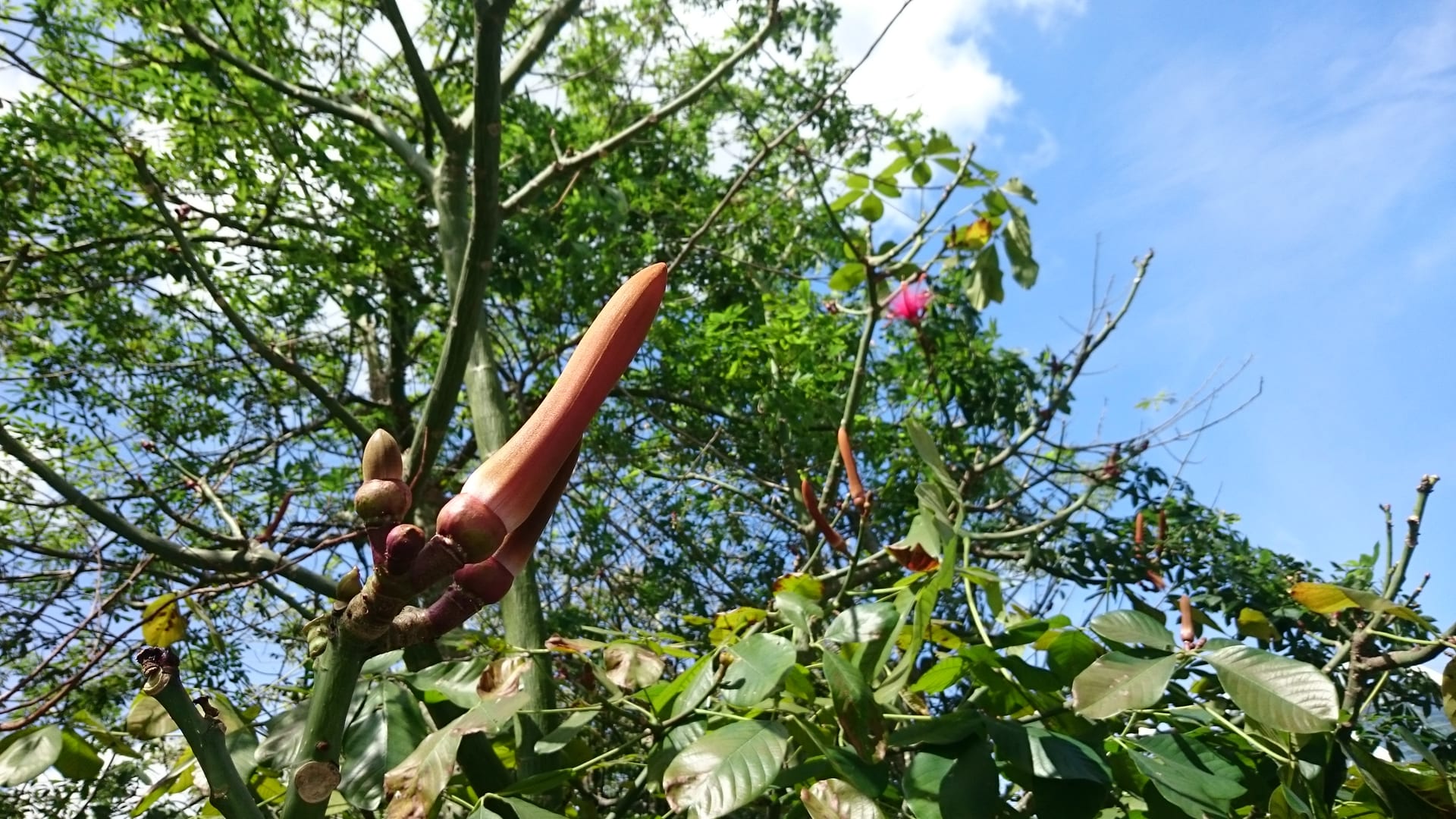
Pseudobombax ellipticum is a deciduous tree native to Central America, prized for its smooth green trunk streaked with gray that swells into a rounded, bottle-like base as it stores water — a classic caudiciform silhouette. From late winter into spring, before the leaves emerge, it produces striking flowers with long pink stamens that fan out like a shaving brush, opening for just a single night — the source of its English name, shaving brush tree. Best suited to intermediate growers, it rewards patience with its changing trunk texture and fleeting bloom.
View Shaving brush tree encyclopedia →0% commission on your first sales!Register by September 30, 2026 and your first 2 plants are commission-free!
Grower Wanted!
List your plants on GrowerDirect and sell directly to customers nationwide!
6 Transparency Commitments from GrowerDirect
Our Grower disclose all key information for Caudex Plants listings, ensuring complete transparency on variety, origin, light needs, and difficulty.
- Variety Disclosed
- Real Plant Photos
- Color Details
- Origin Disclosed
- Light Requirements
- Difficulty Level
Browse all 146 varieties
Light Requirements
Difficulty Level
No listings match your filters
Adjust your filters, or get notified when new listings arrive.
Getting alerts is free with a member account. When new listings match your saved search, we'll notify you by email and in-app.
Browse other categories
Verified growers (preview)
Are you growing caudex plants?
Register as a grower and connect with buyers directly.
Apply as a growerShaving brush tree key facts
- Growing Difficulty
- Intermediate
- Lifespan
- Long-lived woody plant (little published data)
- Size
- Up to 18 m tall with a 1.3 m trunk in the wild; can be kept to about 1 m in a pot
- Watering
- Regular feeding in the growing season
- Light & Placement
- Grow it in full to partial sun, but potted plants are sensitive to hot midsummer sun, so shade them or move them to partial shade in summer.
- Watering
- It likes plenty of water from spring to autumn. Letting it dry out completely can kill it, but overwatering causes rot, so water as the mix begins to dry.
- Temperature & Overwintering
- It is deciduous in winter; keep it a little dry then. It is said to survive brief frost when dry, but bring it indoors before temperatures drop below 0°C.
- Pruning & Shaping
- Prune after flowering once the leaves appear. Cutting the branches back each year helps the caudex base thicken.
- Propagation
- Propagate from seed or cuttings. Seedlings fail without direct sun, so give them bright light after germination.
About Shaving brush tree
A caudiciform tree from Central America with a swollen, gray-streaked green trunk. From late winter to spring it opens pink, brush-like flowers for a single night. Suited to intermediate growers.
7 things to know before growing Shaving brush tree
1Light and Placement
Grow it in full sun to partial sun. Potted plants are easily damaged by harsh midsummer sun, though, so shade them or move them to partial shade in summer. In winter, bring it indoors to a bright spot before temperatures fall below 0°C.
2Watering
During the growing season from spring to autumn, water thoroughly once the soil surface has dried out. In winter, when the tree drops its leaves and goes dormant, cut back watering significantly and keep it on the dry side, since the swollen trunk already stores water and overwatering risks root rot.
3Well-Draining Soil
A fast-draining mix is essential to prevent root rot. A commercial succulent or caudiciform blend, or akadama mixed with pumice or perlite, works well. Avoid soil that's heavy in organic matter, as it tends to retain too much moisture.
4Repotting
Repot in early spring, just as new growth begins. Loosen the old soil only lightly to avoid damaging the roots, and move the plant into a slightly larger pot. Keep the swollen base at the same soil level as before rather than burying it deeper.
5Winter Leaf Drop
Losing its leaves in winter is a natural dormancy response, not a sign of illness. With the foliage gone, the sculptural trunk stands out even more, and in spring the pink flowers appear before new leaves emerge. Let the plant rest with minimal watering during this leafless period.
6Choosing a Healthy Plant
Look for a plant whose basal trunk is already rounded and plump, with smooth, taut bark. Check carefully for soft spots, dents, or wounds on the trunk or branches, as these can signal rot. Clear gray streaking on the bark is also a good sign of a healthy specimen.
7Pruning to Control Size
In the wild this tree can reach 18 meters tall with a trunk up to 1.3 meters across, but in a pot, pruning keeps it to a compact size of around 1 meter. Trimming back overgrown branches also makes it easier to shape the plant so the swollen trunk remains the visual focus.
Frequently asked questions about Shaving brush tree
- Q.Is this suitable for beginners?
- A.This species is generally considered suited to intermediate growers. It's manageable once you master the basics of watering and drainage, but some prior experience with succulents or caudiciforms will help.
- Q.When and how long does it bloom?
- A.It flowers from late winter into spring, before new leaves appear, producing pink brush-like blooms with long stamens. Each flower opens for only a single night, so it's worth checking the plant closely once buds start to form.
- Q.Is it normal for it to lose its leaves in winter?
- A.Yes, that's completely normal. As a deciduous species, dropping its leaves and entering dormancy in winter is part of its natural cycle. Reduce watering during this leafless period and wait for new growth to resume in spring.
- Q.How large does it grow?
- A.In its native habitat it can reach 18 meters in height with a trunk up to 1.3 meters in diameter, but in a pot it can be kept to around 1 meter with regular pruning. Growth speed varies depending on growing conditions.
- Q.Why does the trunk look so swollen?
- A.The swollen base is where the tree stores water to survive dry periods in its native habitat. This distinctive bulging trunk is one of the plant's most appealing features.
Handy Growing Tools for Shaving brush tree
Learn more about Shaving brush tree in the encyclopedia
View Shaving brush tree encyclopedia entry →
Care difficulty, size, origin and light needs — all basics covered.
More in this category
Can't find the plant you're looking for?
Post your wishes for free and growers with matching plants will contact you with introductions.