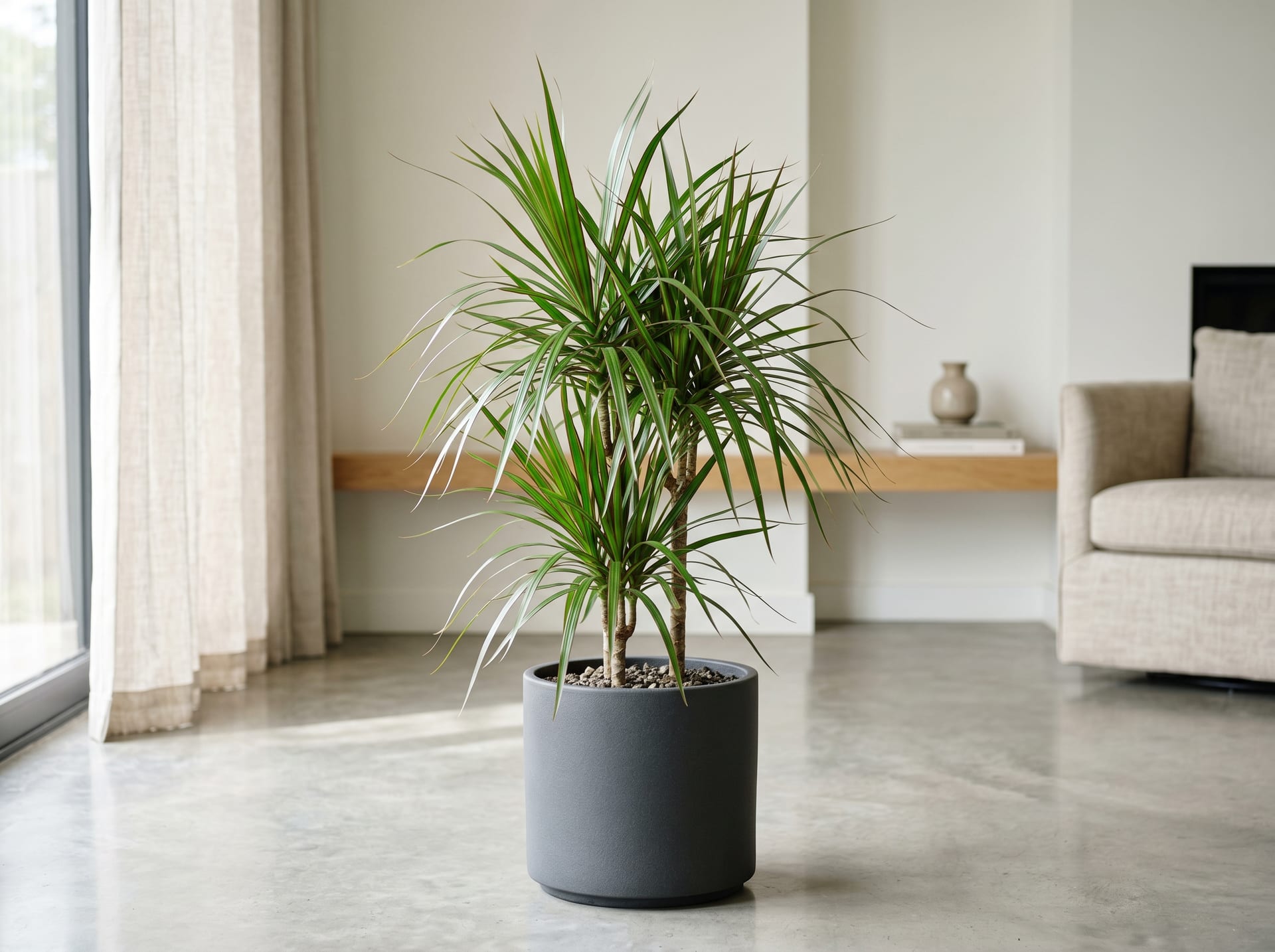
Dracaena / Cordyline
Dracaena and Cordyline are striking foliage plants known for their strap-like leaves that radiate outward in a dramatic rosette, bringing an exotic, sculptural look to any interior. They are resilient and low-maintenance, with good shade tolerance that makes them an excellent choice for beginners. With leaf colors ranging from deep green to vibrant red and variegated patterns, there is a variety to suit every space.
View Dracaena / Cordyline encyclopedia →Grower Wanted!
List your plants on GrowerDirect and sell directly to customers nationwide!
6 Transparency Commitments from GrowerDirect
Every Grower selling Foliage Plants provides complete transparency: variety, origin, light requirements, and care difficulty.
- Variety Information
- Real Photos
- True Colors
- Origin Information
- Light Requirements
- Care Difficulty
Browse all 139 varieties
Light Requirements
Care Difficulty
No listings match your filters
Adjust your filters, or get notified when new listings arrive.
Getting alerts is free with a member account. When new listings match your saved search, we'll notify you by email and in-app.
Browse other categories
Verified growers (preview)
Are you growing foliage plants?
Register as a grower and connect with buyers directly.
Apply as a growerDracaena / Cordyline key facts
- Growing Difficulty
- Beginner-friendly
- Temperature
- 10〜30℃
- Placement
- Bright indoors; filtered light through lace curtains
- Watering
- Water thoroughly once the surface dries and watch for root rot from overwatering. Water less in winter.
- Propagation
- Propagate by stem cuttings. Cut back overlong stems and root them; the parent plant will also sprout side shoots from the cut.
- Soil & Repotting
- Use a well-draining mix and a stable pot, since these plants grow tall and can tip over. Repot one size up once roots fill the pot.
- Notes
- Keep above 10°C; tip burn from dryness or cold
About Dracaena / Cordyline
Dracaena is a genus of evergreen plants found across Africa, Asia and beyond, while Cordyline is a separate genus in the same family, Asparagaceae. Because they look alike, they continue to be grouped in the horticultural trade under the shared name. Both share a striking silhouette of long, leathery leaves radiating from a central stem or crown, giving them a sculptural presence that lets a single plant anchor an entire room. Leaf colors span deep green, yellow-striped, bronze-red, and bicolor forms, making it easy to find a variety that complements any interior palette. They tolerate shade, and because they only need water once the top layer of soil has dried, they suit busy households. The main care note to keep in mind is their sensitivity to fluoride in tap water, which commonly causes brown leaf tips. Since they tend to grow tall, they make good use of vertical space and are a rewarding long-term addition to any living space.
7 things to know before growing Dracaena / Cordyline
1Bright Indirect Light Is Best
Prolonged direct sunlight can scorch the leaves, so a bright spot filtered through a sheer curtain is ideal. While they tolerate shade, very low light causes leaf color to fade and slows new growth. Positioning the plant one to two meters from a bright window is a reliable starting point.
2Water Only When the Soil Dries
Root rot from overwatering is the most common problem with Dracaena and Cordyline. Water thoroughly until it drains from the bottom, but only after the top layer of soil has dried out. In winter, when growth slows, reduce watering frequency further to keep roots healthy.
3Sensitive to Fluoride and Chlorine
Fluoride and chlorine in tap water can accumulate and cause brown leaf tips, a common cosmetic issue with these plants. Using water that has been left to stand overnight, or low-mineral soft water, helps minimize this. Brown tips that have already appeared can be trimmed at an angle with clean scissors without harming the plant.
4Protect from Winter Cold
As tropical and subtropical plants, most Dracaena and Cordyline varieties are sensitive to cold. Keep them in a spot that stays at 10°C or above through winter, and avoid the cold and dry air that cause brown leaf tips. Moving the plant away from cold drafts near windows will help it stay healthy through the colder months.
5Feed Lightly During the Growing Season
During the growing season from spring through autumn, applying a slow-release granular fertilizer or diluted liquid feed once or twice a month helps maintain vivid leaf color. Over-fertilizing can cause root burn, so apply at half the recommended dose or less. Stop or greatly reduce fertilizing in winter.
6Repot Every Two to Three Years
Signs that repotting is needed include roots emerging from the drainage holes or soil that stays wet long after watering. Move up one pot size using a well-draining houseplant mix, ideally in May or June when the plant is entering active growth. Remove any blackened or damaged roots while repotting to maintain good plant health.
7Variety Choice Determines Leaf Color
Red-leaved varieties like Cordyline 'Red Star' produce their most vivid color in bright light and tend to turn more greenish in low light. Variegated Dracaena such as Massangeana also show their cream and yellow markings most distinctly in bright conditions. Matching the variety to your available light is the key to keeping the plant looking its best long-term.
Frequently asked questions about Dracaena / Cordyline
- Q.Why are the leaf tips turning brown?
- A.The most common cause is fluoride or chlorine buildup from tap water, or excessively dry air. Try using water that has sat overnight and move the plant away from direct air conditioning airflow. Tips that have already turned brown can be trimmed at an angle with clean scissors without harming the plant.
- Q.Can it grow in a room with little natural light?
- A.They have reasonable shade tolerance and will survive in rooms without direct sunlight, as long as it is not completely dark. However, insufficient light slows new leaf growth, and red or variegated varieties tend to lose their color intensity. A spot that receives indirect natural light from a nearby window is recommended.
- Q.What is the difference between Dracaena and Cordyline?
- A.Botanically they are distinct genera, though both belong to the family Asparagaceae. They look similar and have comparable care requirements, which is why they are often grouped together in retail, but you can tell them apart by their roots: Dracaena roots are yellow to orange, while Cordyline roots are whitish.
- Q.Is it toxic to pets or children?
- A.Dracaena is classified as toxic to dogs and cats by the ASPCA; ingestion can cause symptoms such as vomiting and loss of appetite. It is advisable to place the plant out of reach of small children and pets, or to consider an alternative variety if this is a concern in your household.
- Q.It dropped most of its leaves in winter. Is it dead?
- A.Leaf drop in winter is often caused by a sudden temperature drop or exposure to cold drafts near a window. If the stem is still green and flexible, the plant is likely still alive. Move it to a warm spot, reduce watering, and wait until spring — new growth often emerges once temperatures rise.
Handy Growing Tools for Dracaena / Cordyline
Learn more about Dracaena / Cordyline in the encyclopedia
View Dracaena / Cordyline encyclopedia entry →
Care difficulty, size, origin and light needs — all basics covered.
Dracaena / Cordyline related articles
Complete Dracaena Care Guide | Variety-Specific Management from Massangeana to Marginata
Comprehensive guide to caring for popular Dracaena varieties including Massangeana (the lucky tree), Marginata, and Warneckii. Covers variety-specific cultivation methods, watering, lighting, pruning, and upright training techniques, as well as causes and solutions for leaf tip browning issues.
Complete Guide to Selecting and Caring for Large Foliage Plants | Living Room Statement Trees
Covers large varieties like Ficus, Dracaena, and Strelitzia, along with repotting, staking, and moving tips.
More in this category
Can't find the plant you're looking for?
Post your wishes for free and growers with matching plants will contact you with introductions.