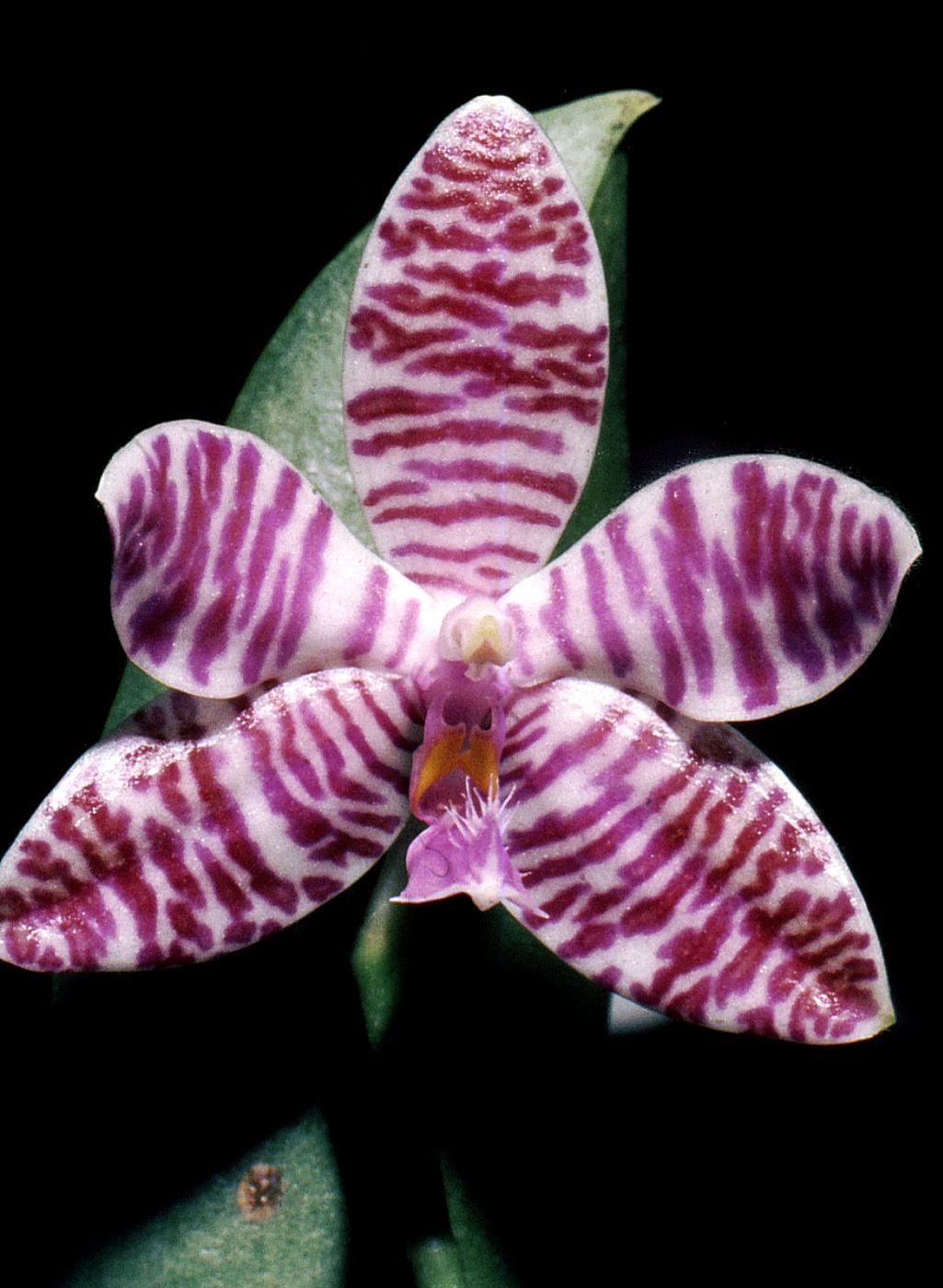
 © Orchi / CC BY-SA 3.0
Grower Direct Sales Marketplace
Orchids Online Shopping | Direct from Growers
Buy Orchids directly from certified Growers who cultivated them with care. Transparent information on variety, origin, light requirements, and growing difficulty.
0% commission on your first sales!Register by September 30, 2026 and your first 2 plants are commission-free!
Grower Wanted!
List your plants on GrowerDirect and sell directly to customers nationwide!
6 Transparency Commitments from GrowerDirect
Growers disclose the following information for Orchids listings, guaranteeing transparency on variety, origin, light requirements, and growing difficulty.
- Variety Disclosed
- Real Photos
- Color Specification
- Origin Disclosed
- Light Requirements
- Difficulty Level Disclosed
Browse all 142 varieties
Light Requirements
Growing Difficulty
No listings match your filters
Adjust your filters, or get notified when new listings arrive.
Getting alerts is free with a member account. When new listings match your saved search, we'll notify you by email and in-app.
Browse other categories
Can't find the plant you're looking for?
Post your wishes for free and growers with matching plants will contact you with introductions.
Explore the plant encyclopedia

About orchid
The orchid category on GrowerDirect lets you welcome a wide range of orchids — phalaenopsis, cattleya, dendrobium and more — directly from the growers who raised them. With few steps in distribution, you can review each plant's size, root condition, and growing environment before choosing. Because orchids differ by type in the light and watering rhythm they prefer, learn their traits and pick a pot that fits your home.
7 things to know before growing orchid
1Understand the differences between orchid types
Even within orchids, phalaenopsis prefer warmth and steady humidity, cattleya like brighter light, and many dendrobiums set flower buds after a period of cool or dry conditions. Since care assumptions differ by type, confirm which type you have before you start.
2Know the traits of the potting medium
Orchids are grown not in soil but in media such as sphagnum moss or bark. Moss holds water well and stays moist, while bark is airy and dries faster. The same watering behaves differently depending on the medium, so check which one the plant is potted in at purchase.
3Balance watering against overwatering
Orchid roots like air and are prone to damage if kept constantly wet. The basic rule is to water thoroughly once the medium's surface dries, then wait until it dries again. Do not leave water standing in the saucer, and space waterings out further in winter.
4Choose the right spot and light level
Most orchids prefer bright shade or light filtered through a lace curtain, as direct sun can scorch the leaves. Too little light, however, reduces flowering. Considering each type's ideal brightness, choose an airy spot near a window indoors.
5Know how to care for the plant after flowering
After flowering, how you cut the flower spike depends on the type. Phalaenopsis can produce a second bloom if cut above a node, while cattleya and dendrobium spikes are tidied at the base. Let the plant rest after blooming and watch for new shoots and roots.
6Grasp when and why to repot
Potting media degrade over a few years, throwing off the balance of moisture and airflow. Signs such as crumbling medium or roots spilling well beyond the pot mean it is time to repot. For many orchids, the period after flowering as growth resumes is considered suitable.
7Check the plant's condition before choosing
When choosing an orchid, look for firm leaves, healthy white-to-green roots, and a stable base. On GrowerDirect you welcome plants directly from the grower, so you can confirm each plant's size and growing environment before deciding.
Frequently asked questions about orchid
- Q.Are there orchids that are easy for beginners?
- A.Phalaenopsis are generally considered easy because they tolerate temperature changes and bloom for a long time. Even so, plants vary by condition. Weigh placement and watering effort, and choose with the grower's advice.
- Q.How often should I water?
- A.Rather than a fixed number of days, judge by whether the medium has dried. Moss dries slowly and bark dries quickly, so frequency differs. It also shifts with season and room temperature, so water based on how dry the surface looks.
- Q.Why are orchids not grown in soil?
- A.Many orchids grow in the wild attached to trees, with roots exposed to air. Planted in soil, the roots stay constantly wet and damage easily, so airy media such as moss or bark are used instead.
- Q.Why is my orchid not flowering?
- A.The main causes are too little light or, depending on the type, a lack of the temperature change or dryness needed to trigger buds. Check what conditions your type needs to set buds, and review placement and seasonal care.
- Q.What are the benefits of buying directly from a grower?
- A.You can check the plant's size, root condition, and how it was raised, and hear type-specific care advice straight from the grower. With fewer distribution steps, environmental stress on the plant is also reduced.
Handy Growing Tools for orchid
orchid related articles
Airflow Management Guide for Bulbless Orchids | Understanding the Physiology of Non-Water-Storing Epiphytic Orchids and Their Differences from Dendrobium kingianum
This guide explains the physiology of bulbless epiphytic orchids and key points for airflow management, while comparing water management differences with pseudobulbed Dendrobium kingianum.
Orchid Division and Bulb Propagation to New Plant Development | Complete Roadmap from Seedling to Flowering Stock
Orchid division is an important propagation method for bulb-bearing orchids such as Cymbidiums and Dendrobiums. This article provides a detailed explanation of the complete process from division to bulb propagation and new plant development. It covers the full range of successful techniques, from selecting the optimal timing, separating bulbs, planting new plants with initial care management, to the timeline through flowering.
Coelogyne Genus Seasonal Care Guide | Withholding Water in the Dry Season and Tips for Regulating the Bloom Cycle
A seasonal guide to Coelogyne, a type of epiphytic orchid, from watering during the growing season to dry-season drought management and tips for regulating the bloom cycle.
Post-Bloom Care: The Annual Cycle from New Growth to Flower Formation
Learn the annual care cycle for orchids from the end of flowering to the next bloom. This guide covers post-flower care including flower stem cutting methods, signs to observe during new shoot development, summer growth period considerations, requirements for flower bud formation, and finishing care from bud emergence through blooming.
Natural Distribution and Cultivation Environment of Paphiopedilum (Lady's Slipper)
A detailed explanation of Paphiopedilum's natural habitat and the optimal cultivation environment based on it.
A Complete Guide to Enjoying Orchid Exhibitions and Sales Events | Variety Selection and Post-Purchase Care
A guide to enjoying orchid exhibitions and sales events. Covering practical tips on variety selection, how to identify rare species, and post-purchase environmental acclimatization.