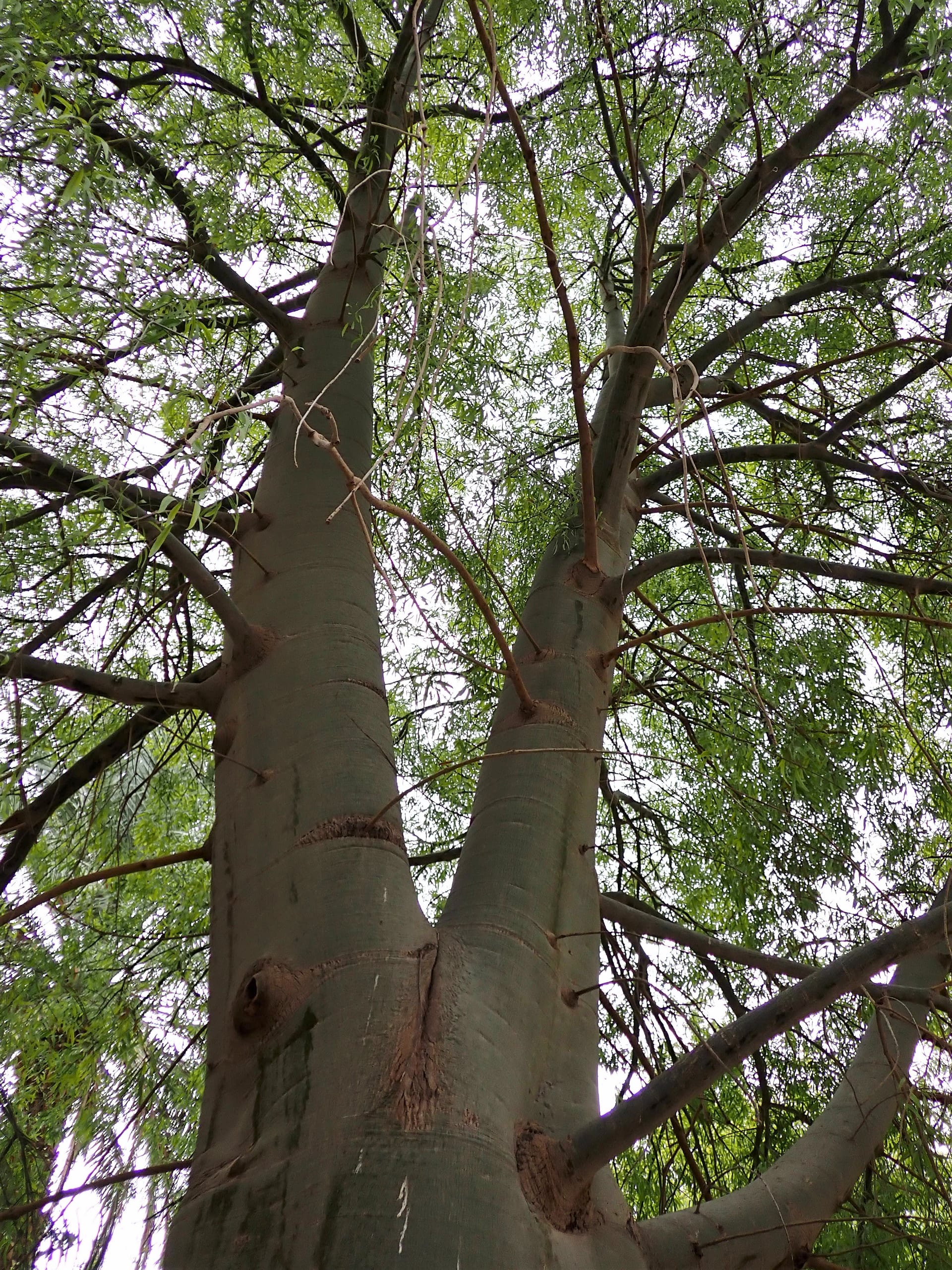
 © Krzysztof Ziarnek, Kenraiz / CC BY-SA 4.0
Queensland bottle tree
Brachychiton rupestris, native to Queensland, Australia, is a caudex plant prized above all for its swollen, bottle-shaped trunk — the very trait behind its common name, the Queensland bottle tree. Young plants carry deeply lobed leaves, but as they mature the foliage transforms into slender, glossy, undivided leaves. In its native habitat it can grow into a tall tree reaching 10 to 20 meters, yet in a pot it stays compact and manageable. It's generally considered beginner-friendly, making it a good choice for anyone new to caudex plants.
View Queensland bottle tree encyclopedia →0% commission on your first sales!Register by September 30, 2026 and your first 2 plants are commission-free!
Grower Wanted!
List your plants on GrowerDirect and sell directly to customers nationwide!
6 Transparency Commitments from GrowerDirect
Our Grower disclose all key information for Caudex Plants listings, ensuring complete transparency on variety, origin, light needs, and difficulty.
- Variety Disclosed
- Real Plant Photos
- Color Details
- Origin Disclosed
- Light Requirements
- Difficulty Level
Browse all 145 varieties
Light Requirements
Difficulty Level
No listings match your filters
Adjust your filters, or get notified when new listings arrive.
Getting alerts is free with a member account. When new listings match your saved search, we'll notify you by email and in-app.
Browse other categories
Verified growers (preview)
Are you growing caudex plants?
Register as a grower and connect with buyers directly.
Apply as a growerQueensland bottle tree key facts
- Growing Difficulty
- Beginner-friendly
- Lifespan
- Long-lived woody plant (little published data)
- Size
- 10–20 m (rarely 25 m) tall in the wild, trunk 1–3.5 m across; stays small in a pot
- Watering
- Regular feeding in the growing season
- Light & Placement
- It grows best in full sun; indoors keep it at a bright window.
- Watering
- A drought-deciduous tree that tolerates dry spells; water when the mix has dried, as soggy soil harms the roots.
- Temperature & Overwintering
- It tolerates a range of temperatures, but it suits climates equivalent to USDA zones 9–12; bring it indoors for winter in cold areas.
- Soil & Repotting
- It prefers well-drained, slightly acidic soil. Mature plants transplant easily.
- Propagation
- Easily raised from seed; wear gloves when extracting it, as the hairs inside the pod irritate skin. Semi-mature cuttings can be taken in late summer with rooting hormone and bottom heat.
- Pests & Cautions
- Young plants grow very slowly; the bottle-shaped trunk appears only after about 5–8 years.
About Queensland bottle tree
Brachychiton rupestris, the Queensland bottle tree, is a beginner-friendly caudex plant from Australia prized for its swollen, bottle-shaped trunk and glossy, slender leaves. It stays compact and manageable when grown in a pot.
7 things to know before growing Queensland bottle tree
1Placement
Brachychiton rupestris thrives in bright light, so place it outdoors in direct sun or indoors near a sunny window. Good airflow also helps prevent problems caused by excess humidity around the trunk.
2Watering
During the growing season from spring through autumn, water thoroughly once the soil surface has dried out. In winter dormancy, keep the plant on the dry side, since overwatering can lead to root rot.
3Soil
A well-draining caudex or succulent mix suits this plant well. Blending a commercial succulent or cactus soil with pumice or perlite further reduces the risk of root rot.
4Repotting
Repot into a slightly larger pot during spring to early summer, the plant's active growing period. Watch for roots emerging from the drainage holes, a sign that it has become root-bound and growth may slow.
5Winter care
Because it is sensitive to cold, move the plant to a bright spot indoors once temperatures start to drop. It may shed its leaves during dormancy, but as long as the trunk stays healthy, new leaves emerge again in spring.
6Choosing a plant
Look for a specimen with a firm, well-rounded trunk. Also check that the leaves are free of significant damage or blackening, and that the base isn't loose or wobbly.
7Changing leaf shape
Young plants produce leaves with deep lobes, but as the plant matures, the leaves gradually become slender and undivided. This dramatic transformation is one of the distinctive joys of growing this species.
Frequently asked questions about Queensland bottle tree
- Q.How can I encourage the bottle-shaped trunk to swell?
- A.The trunk's characteristic swelling develops over time and is influenced by factors like light and watering. Growing the plant in a bright spot and letting it develop gradually helps it take on its distinctive shape.
- Q.The leaves dropped in winter — has it died?
- A.Leaf drop during dormancy is a natural response and doesn't necessarily mean the plant has died. If the trunk remains firm rather than soft, new growth typically appears again in spring.
- Q.Will the trunk swell up even when grown in a pot?
- A.In a pot, the trunk stays more compact than it would in its native habitat. Even so, it will gradually thicken over the years, letting you enjoy its development over time.
- Q.Is it a problem that young and mature leaves look different?
- A.This isn't a sign of disease — it's a natural characteristic of Brachychiton rupestris. Young plants have deeply lobed leaves, while mature plants develop slender, undivided leaves.
- Q.Is this a good plant for beginners?
- A.Yes, it's generally considered beginner-friendly as long as basic watering and placement guidelines are followed. It's a good choice for anyone trying caudex plants for the first time.
Handy Growing Tools for Queensland bottle tree
Learn more about Queensland bottle tree in the encyclopedia
View Queensland bottle tree encyclopedia entry →
Care difficulty, size, origin and light needs — all basics covered.
More in this category
Can't find the plant you're looking for?
Post your wishes for free and growers with matching plants will contact you with introductions.