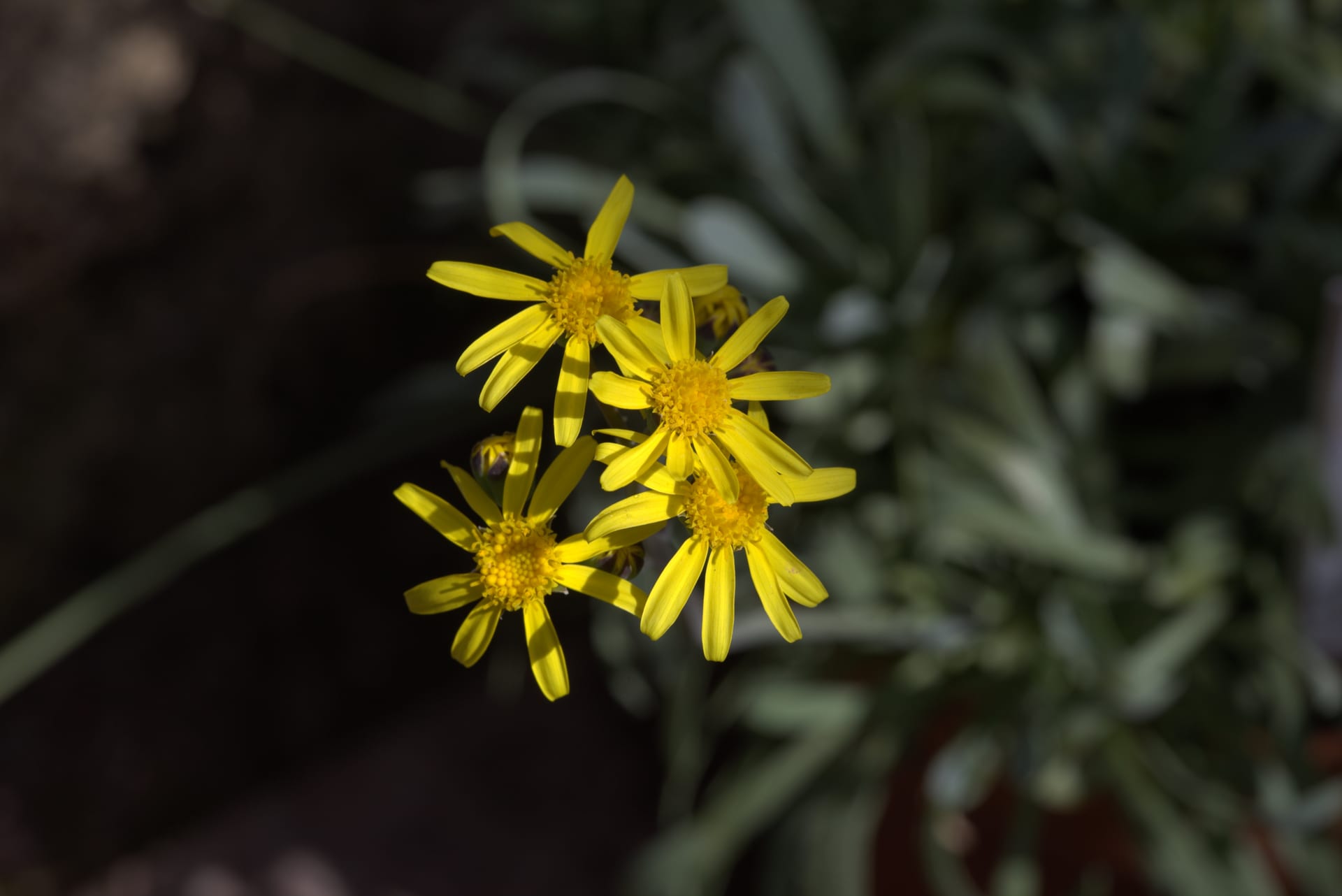
 © Averater / CC BY-SA 3.0
Othonna retrorsa
Othonna retrorsa is a winter-growing caudiciform succulent native to South Africa. Its woolly, multi-headed caudex sends up rosettes of stiff, pale grayish-green leaves marked with a striking network of raised veins. Tiny backward-pointing white teeth line each leaf edge, the detail that gives the species its Latin name retrorsa. Over time it forms a cushion-like clump reaching roughly 10cm tall and 30cm across. It's considered a variety for growers with some succulent experience rather than absolute beginners, but as a long-lived perennial it rewards patient care with years of seasonal changes in form and texture.
View Othonna retrorsa encyclopedia →0% commission on your first sales!Register by September 30, 2026 and your first 2 plants are commission-free!
Grower Wanted!
List your plants on GrowerDirect and sell directly to customers nationwide!
6 Transparency Commitments from GrowerDirect
Our Grower disclose all key information for Caudex Plants listings, ensuring complete transparency on variety, origin, light needs, and difficulty.
- Variety Disclosed
- Real Plant Photos
- Color Details
- Origin Disclosed
- Light Requirements
- Difficulty Level
Browse all 146 varieties
Light Requirements
Difficulty Level
No listings match your filters
Adjust your filters, or get notified when new listings arrive.
Getting alerts is free with a member account. When new listings match your saved search, we'll notify you by email and in-app.
Browse other categories
Verified growers (preview)
Are you growing caudex plants?
Register as a grower and connect with buyers directly.
Apply as a growerOthonna retrorsa key facts
- Growing Difficulty
- Intermediate
- Lifespan
- Long-lived perennial (little published data)
- Size
- A cushion about 10 cm tall and 30 cm across
- Watering
- Light feeding in the growing season
- Light & Placement
- Grow it in full sun from autumn to spring; conditions close to its habitat keep it compact.
- Watering
- A winter grower: start watering in autumn when new leaves show at the growing tip, and let the mix dry between waterings.
- Dormancy Care
- When the leaves yellow and drop in spring, stop watering and keep it nearly dry through summer.
- Soil & Repotting
- It grows in shallow sand in rock cracks: use a gritty, free-draining mix and a pot that is not too deep.
- Pests & Cautions
- The dried bases of old leaves naturally build up around the stems; leave them, removing only any parts that are rotting.
About Othonna retrorsa
Othonna retrorsa is a winter-growing caudiciform succulent with net-veined, pale grayish-green leaves in rosettes atop a woolly caudex, forming a 10cm-tall, 30cm-wide cushion, best suited to growers with some experience.
7 things to know before growing Othonna retrorsa
1Learning Its Winter Growth Cycle
Othonna retrorsa grows actively from autumn through spring and rests during the hottest summer months, following a winter-growing rhythm. Watering and placement need to shift significantly between the growing season and dormancy. Understanding this seasonal cycle is the first step to growing it well.
2Light and Airflow
During the growing season it appreciates plenty of light, but direct summer sun can scorch the leaves, so shading or moving it to partial shade is advisable in midsummer. Good air circulation also helps prevent rot caused by excess humidity.
3Adjust Watering by Season
Water thoroughly once the soil has dried out during the autumn-to-spring growing season, and cut back sharply during summer dormancy. The stiff leaves and woolly caudex tolerate dryness reasonably well, but overwatering easily leads to root rot.
4Well-Draining Soil Is Essential
Choose a fast-draining, well-aerated mix so the caudex doesn't stay damp. Blending a succulent or caudiciform mix with pumice or perlite to boost drainage helps reduce the risk of rot around the base.
5Repot as Dormancy Ends
The best time to repot is early autumn, just as the plant emerges from summer dormancy and growth resumes. Disturb the root ball as little as possible, trim away any damaged roots, and settle it into fresh soil for a smooth transition into active growth.
6Managing Summer Dormancy
In peak summer, growth stops and the plant enters dormancy, so watering should be reduced and it should be kept somewhere shaded from harsh direct sun with good airflow. Some leaf wilting during this period is often just a normal part of dormancy rather than a problem.
7What to Look for When Choosing a Plant
Look for a plant with clearly defined net-veined, pale grayish-green leaves and a firm caudex still covered in its woolly coating, both good signs of healthy condition. Multi-headed specimens tend to develop an even fuller, more cushion-like form over time.
Frequently asked questions about Othonna retrorsa
- Q.Is Othonna retrorsa suitable for beginners?
- A.It's generally considered a variety for growers with some succulent or caudiciform experience, since watering needs to be adjusted seasonally. That said, once you understand its winter-growing cycle, it's approachable even for those newer to the hobby.
- Q.What does the species name retrorsa refer to?
- A.It refers to the small, backward-pointing white tooth-like projections along the leaf margins. This distinctive leaf edge is one of the easiest features to spot when identifying the plant.
- Q.How large does it typically grow?
- A.With time it develops into a cushion-like clump around 10cm tall and 30cm across. The multi-headed caudex tends to spread outward as it fills out, adding to its volume.
- Q.Is it normal for the leaves to wilt or drop in summer?
- A.Yes, as a winter-growing plant, Othonna retrorsa naturally slows down and often sheds or wilts some leaves during summer dormancy. Reduce watering during this period and resume normal care once autumn growth begins.
- Q.What kind of location suits it best?
- A.During the growing season it prefers a bright spot with good airflow, though strong direct sun should be avoided in midsummer by moving it to partial shade. Good ventilation is also important for preventing rot from excess humidity.
Handy Growing Tools for Othonna retrorsa
Learn more about Othonna retrorsa in the encyclopedia
View Othonna retrorsa encyclopedia entry →
Care difficulty, size, origin and light needs — all basics covered.
More in this category
Can't find the plant you're looking for?
Post your wishes for free and growers with matching plants will contact you with introductions.