 © MrPanyGoff / CC BY-SA 3.0
Kudu Lily
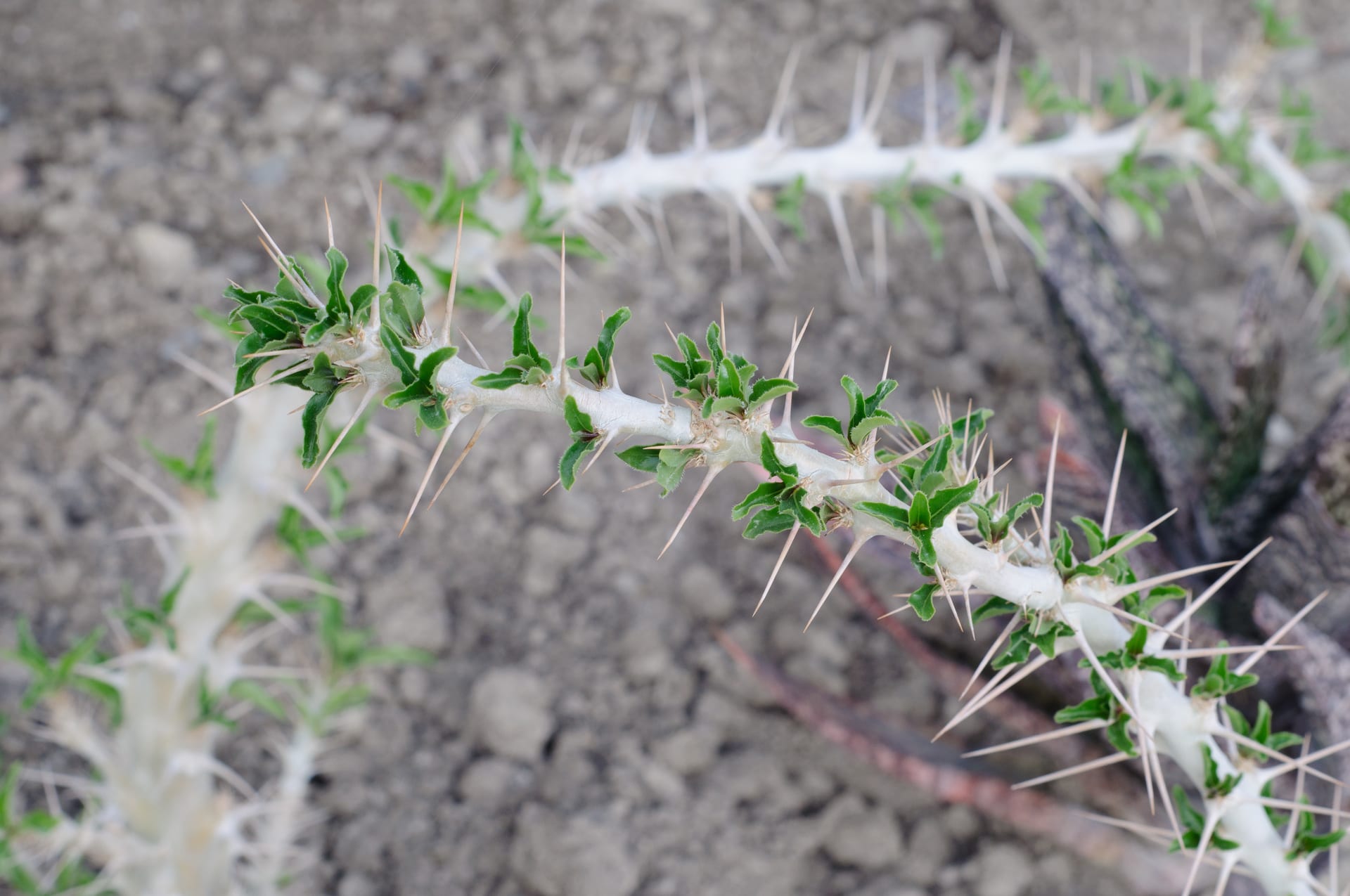
Pachypodium saundersii, known in Japanese as 'Hakubajo' (White Horse Castle), is a pachypodium native to southern Africa. Its rounded caudex at ground level sends up densely spiny branches, and in autumn it produces large white flowers tinged with purple, even on young plants of four or five years. Among caudiciform plants it is relatively easy and reasonably fast-growing, making it a good choice for anyone trying a caudex plant for the first time. In the wild it becomes a shrub 1 to 2 meters tall, with a caudex that can reach 1 meter across. Watching the caudex slowly swell over the years is one of this plant's unique pleasures.
View Kudu Lily encyclopedia →0% commission on your first sales!Register by September 30, 2026 and your first 2 plants are commission-free!
Grower Wanted!
List your plants on GrowerDirect and sell directly to customers nationwide!
6 Transparency Commitments from GrowerDirect
Our Grower disclose all key information for Caudex Plants listings, ensuring complete transparency on variety, origin, light needs, and difficulty.
- Variety Disclosed
- Real Plant Photos
- Color Details
- Origin Disclosed
- Light Requirements
- Difficulty Level
Browse all 145 varieties
Light Requirements
Difficulty Level
No listings match your filters
Adjust your filters, or get notified when new listings arrive.
Getting alerts is free with a member account. When new listings match your saved search, we'll notify you by email and in-app.
Browse other categories
Verified growers (preview)
Are you growing caudex plants?
Register as a grower and connect with buyers directly.
Apply as a growerKudu Lily key facts
- Growing Difficulty
- Beginner-friendly
- Lifespan
- Long-lived perennial (little published data)
- Size
- 1-2 m in the wild with a base up to 1 m across; about 1 m in cultivation
- Watering
- Sparingly in the growing season
- Light & Placement
- It grows on sunny rocks in the wild, so give it full sun in the growing season.
- Watering
- Water when dry in the summer growing season. It is dormant and leafless in winter; keep it completely dry then.
- Dormancy Care
- A cooler winter rest is said to help it flower well. Resume watering when new growth appears in spring.
- Temperature & Overwintering
- Keep it dry and frost-free over winter.
- Soil & Repotting
- Use a free-draining mix and repot at the start of the growing season.
- Pests & Cautions
- Pachypodium sap is toxic and the spines are sharp. Wear thick gloves or wrap the trunk in several layers of newspaper when repotting or moving it.
About Kudu Lily
Pachypodium saundersii (Hakubajo) is a southern African caudiciform plant with a rounded, swollen caudex, spiny branches, and large purple-tinged white autumn flowers. Relatively easy to grow and fast-growing, it suits beginners.
7 things to know before growing Kudu Lily
1Choosing a Bright Spot
This plant thrives in direct sunlight, so keep it somewhere it gets strong light from spring through autumn when grown outdoors. Avoid intense west-facing summer sun and low-light indoor spots, both of which can weaken growth. Good airflow also helps keep the plant healthy.
2Watering Through the Seasons
During the growing season from spring to autumn, water thoroughly once the soil surface dries out. As temperatures drop in autumn, gradually space out watering, and during winter dormancy keep it on the dry side—watering only enough to prevent the caudex from wrinkling—to avoid root rot.
3Well-Draining Soil
Since this plant dislikes staying wet, well-draining soil is essential. Mixing pumice or perlite into a standard succulent or cactus potting mix improves both aeration and drainage.
4Repotting Timing
Repot in spring to early summer, when rising temperatures bring active growth. Avoid breaking up the root ball too much, trim away any damaged roots, and move up to a slightly larger pot to support healthy caudex development.
5Winter Care
This plant is sensitive to cold, so move it to a bright indoor spot, such as a sunny windowsill, once temperatures start to drop. Keeping it on the dry side through winter lets it rest properly and supports strong growth the following season.
6Selecting a Healthy Plant
Look for a plant with a firm, well-rounded caudex and no major scars or dents on the surface. Balanced branch growth and healthy, densely packed spines are signs of a plant that is growing well.
7Handle the Spines with Care
The branches are covered in dense spines, so wear thick gloves when repotting or handling the plant. Keep it out of reach of small children and pets to avoid accidental contact.
Frequently asked questions about Kudu Lily
- Q.What temperature should I bring it indoors for winter?
- A.There's no strict threshold, but since this plant is sensitive to cold, it's best to move it to a bright indoor spot once temperatures start dropping. Keep it on the dry side through winter so it can rest.
- Q.Does it flower every year?
- A.Once the plant is mature enough, it typically produces large white flowers tinged with purple in autumn. Good light and overall growing conditions help make blooming more consistent.
- Q.Can I grow it indoors only?
- A.It can be grown indoors near a bright window, but growth tends to be slower than with direct outdoor sunlight. Giving it outdoor sun during the warmer months when possible is beneficial.
- Q.How large does the caudex get?
- A.In the wild the caudex can reach about 1 meter across, and the plant becomes a shrub 1 to 2 meters tall. Size and growth rate in cultivation vary with conditions.
- Q.Is it suitable for beginners?
- A.This species is considered beginner-friendly and grows relatively quickly. With well-draining soil, adequate light, and a clear wet-dry watering rhythm, it's an approachable choice for first-time caudiciform growers.
Handy Growing Tools for Kudu Lily
Learn more about Kudu Lily in the encyclopedia
View Kudu Lily encyclopedia entry →
Care difficulty, size, origin and light needs — all basics covered.
More in this category
Can't find the plant you're looking for?
Post your wishes for free and growers with matching plants will contact you with introductions.