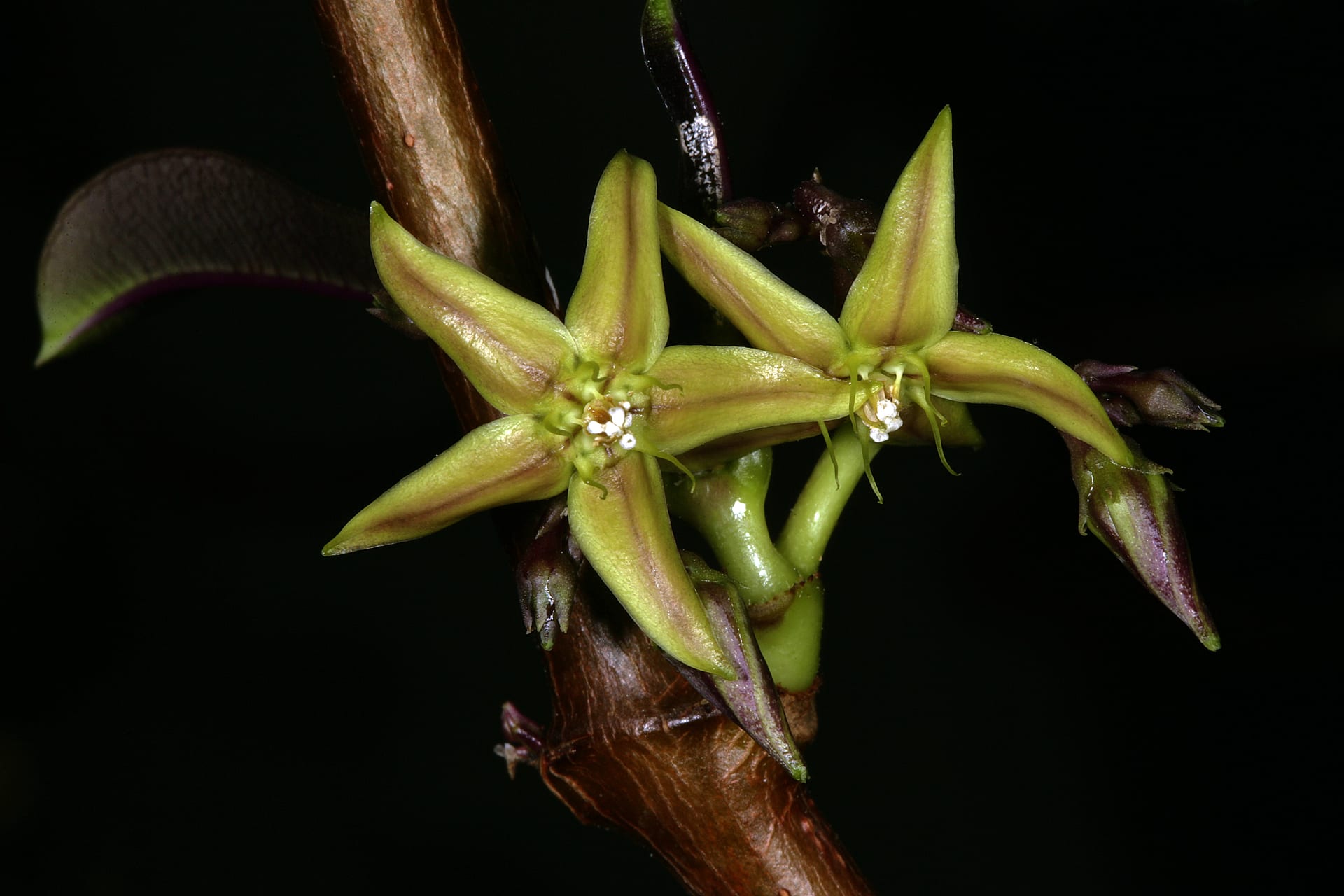
 © SAplants / CC BY-SA 4.0
Petopentia natalensis
Petopentia natalensis is a twining vine in the dogbane family (Apocynaceae), native to eastern South Africa. It grows from a swollen underground caudex, sending out thin vines that wind their way around neighboring plants or a support. In English it's known as the "propeller vine," and the contrast between its sturdy base and delicate, climbing stems gives it a distinctive look. As a perennial vine, it's generally considered better suited to growers with some prior experience, but once you get the hang of placement and watering, it rewards you with a plant unlike anything else in the collection.
View Petopentia natalensis encyclopedia →0% commission on your first sales!Register by September 30, 2026 and your first 2 plants are commission-free!
Grower Wanted!
List your plants on GrowerDirect and sell directly to customers nationwide!
6 Transparency Commitments from GrowerDirect
Our Grower disclose all key information for Caudex Plants listings, ensuring complete transparency on variety, origin, light needs, and difficulty.
- Variety Disclosed
- Real Plant Photos
- Color Details
- Origin Disclosed
- Light Requirements
- Difficulty Level
Browse all 146 varieties
Light Requirements
Difficulty Level
No listings match your filters
Adjust your filters, or get notified when new listings arrive.
Getting alerts is free with a member account. When new listings match your saved search, we'll notify you by email and in-app.
Browse other categories
Verified growers (preview)
Are you growing caudex plants?
Register as a grower and connect with buyers directly.
Apply as a growerPetopentia natalensis key facts
- Growing Difficulty
- Intermediate
- Lifespan
- Perennial climber (little published data)
- Size
- A climber; little published data on size
- Watering
- Light feeding in the growing season
- Light & Placement
- The stems twine through other plants, so grow it in a bright spot with a support to climb.
- Watering
- Water while the stems are actively growing, letting the mix dry between waterings.
- Dormancy Care
- When the top growth dies back, reduce watering and keep the tuber on the dry side.
- Soil & Repotting
- Use a free-draining mix so the tuber does not stay wet.
- Temperature & Overwintering
- A plant of eastern South Africa with little published data on hardiness; keep it frost-free indoors in winter.
About Petopentia natalensis
Petopentia natalensis (propeller vine) is a South African vine that grows thin stems from an underground caudex. Best suited to growers with some experience — here's how to place and water it.
7 things to know before growing Petopentia natalensis
1Placement and light
Petopentia natalensis prefers bright light filtered through a sheer curtain. Strong midsummer sun can scorch the leaves, so give it partial shade if kept outdoors, and make sure air circulates well around the plant.
2Watering
Because the caudex stores water, let the soil surface dry out before giving it a thorough watering. Overwatering can lead to root rot, so never leave water sitting in the saucer, and water even less often during slower growth periods.
3Soil selection
Well-draining soil matters more than anything else. A commercial succulent or caudex mix improved with pumice or perlite works well, and it's best to avoid soil that's heavy in organic matter, since this plant dislikes staying wet.
4When to repot
Repot roughly every one to two years, timed to the start of active growth. The caudex and roots are delicate, so handle them carefully during repotting, and hold off on heavy watering until the roots have settled in.
5Training and support
Since this is a twining vine, providing a stake or trellis to train it onto helps keep its shape tidy. Left alone, it will climb and wind around nearby plants, so it helps to give it some distance from other pots, and you can trim back overly long vines as needed.
6Seasonal care
During the growing season, give it plenty of light and water so the vines can extend freely. As temperatures drop, growth slows, so cut back on watering and keep the plant somewhere protected from cold — sudden temperature swings are best avoided.
7Choosing a healthy plant
Look for a caudex that feels firm and has some heft, without wrinkling, damage, or soft spots on the surface. Healthy-looking vines and leaves are another good sign. After bringing it home, give it some time to adjust before making any big changes to its care.
Frequently asked questions about Petopentia natalensis
- Q.Can beginners grow this plant?
- A.It's generally considered a plant for growers with some experience, since getting the drainage and watering timing right matters. If you've grown succulents or other caudex plants before, you'll likely find the basics easier to pick up.
- Q.What kind of spot suits it best?
- A.A bright spot indoors with light filtered through a sheer curtain, or a partially shaded spot outdoors, works well. Avoid both intense direct sun and overly dark locations, and make sure the air circulates freely.
- Q.How often should I water it?
- A.Water thoroughly only after the soil surface has dried out. Because the caudex stores water, it's better to lean toward underwatering than overwatering, and you should adjust the interval with the seasons.
- Q.How large does it grow?
- A.It's a climbing vine that can be trained up a stake or trellis as it grows. There isn't much detailed data on its ultimate size, so it's best to watch how it develops and adjust your training approach along the way.
- Q.How should I train the vines?
- A.Set up a stake or trellis and gently guide the vines onto it as they grow to keep the shape neat. Left unchecked, it will wind around nearby plants, so keeping some distance from other pots makes it easier to manage.
Handy Growing Tools for Petopentia natalensis
Learn more about Petopentia natalensis in the encyclopedia
View Petopentia natalensis encyclopedia entry →
Care difficulty, size, origin and light needs — all basics covered.
More in this category
Can't find the plant you're looking for?
Post your wishes for free and growers with matching plants will contact you with introductions.