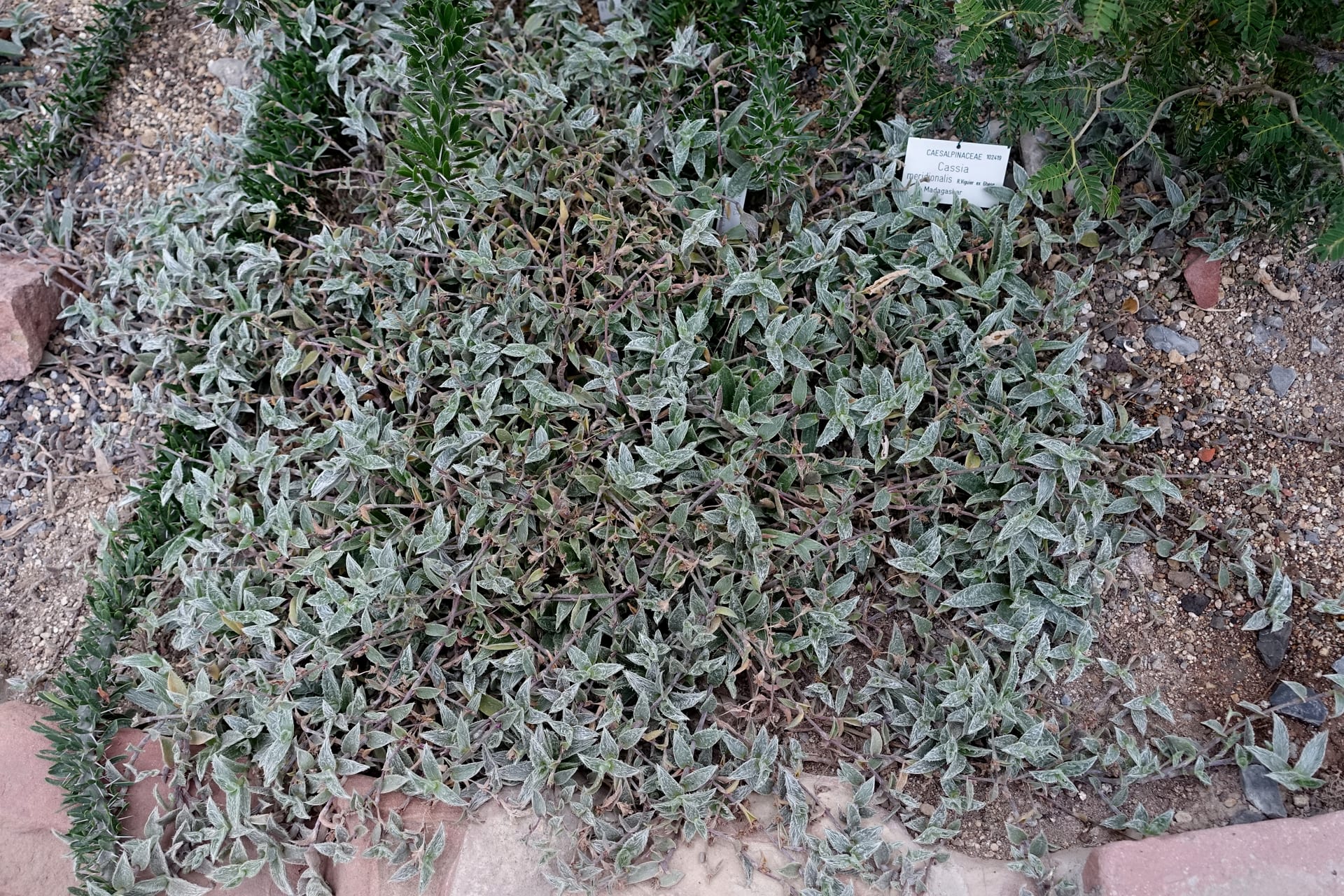
 © Daderot / CC0
Senna meridionalis
Senna meridionalis is a caudiciform legume tree native to southwestern Madagascar. Its thick branches zigzag as they grow, dressed in small pinnate leaves and bright yellow flowers. Even young plants develop a swollen base early on, giving them the charming look of a miniature ancient tree. Growth is slow and steady, and the plant is considered long-lived when well cared for. It's rated as beginner-friendly, making it an approachable choice for anyone new to caudiciform plants.
View Senna meridionalis encyclopedia →0% commission on your first sales!Register by September 30, 2026 and your first 2 plants are commission-free!
Grower Wanted!
List your plants on GrowerDirect and sell directly to customers nationwide!
6 Transparency Commitments from GrowerDirect
Our Grower disclose all key information for Caudex Plants listings, ensuring complete transparency on variety, origin, light needs, and difficulty.
- Variety Disclosed
- Real Plant Photos
- Color Details
- Origin Disclosed
- Light Requirements
- Difficulty Level
Browse all 146 varieties
Light Requirements
Difficulty Level
No listings match your filters
Adjust your filters, or get notified when new listings arrive.
Getting alerts is free with a member account. When new listings match your saved search, we'll notify you by email and in-app.
Browse other categories
Verified growers (preview)
Are you growing caudex plants?
Register as a grower and connect with buyers directly.
Apply as a growerSenna meridionalis key facts
- Growing Difficulty
- Beginner-friendly
- Lifespan
- Slow-growing and long-lived (little published data)
- Size
- 1–5 m tall in the wild; eventually 2–3 m in cultivation
- Watering
- Light feeding in the growing season
- Light & Placement
- A sunny spot keeps the plant compact, although it will grow with less light.
- Watering
- It takes quite a lot of water in summer; water thoroughly when the free-draining mix dries.
- Dormancy Care
- It keeps its leaves in winter if watering continues, but it is best to cut water back sharply so it drops its leaves and rests.
- Propagation
- Propagate from seed or cuttings. The seed coat is hard: pour near-boiling water over the seed, soak 12–24 hours in warm water, and nick the coat if it has not swollen.
- Pests & Cautions
- A Vulnerable species from Madagascar whose international trade requires permits; choosing seed-grown plants from Japan reduces pressure on wild populations.
About Senna meridionalis
Senna meridionalis: a slow-growing caudiciform legume from southwestern Madagascar with a zigzag trunk, swollen base, and bright yellow flowers, an easy pick for beginners.
7 things to know before growing Senna meridionalis
1Sunlight and Placement
Native to the dry regions of southwestern Madagascar, this plant thrives in bright light with good air circulation. Give it plenty of sun outdoors from spring through autumn to encourage strong branch and leaf growth. It's sensitive to cold, so move it to a bright spot indoors once temperatures start to drop.
2Watering Basics
During the growing season, water thoroughly once the soil surface has dried, allowing clear wet-dry cycles. The caudex stores moisture, so avoid overwatering, which can lead to root rot. Cut back on watering during dormancy and keep the plant on the drier side.
3Well-Draining Soil
A well-draining mix, such as a dedicated caudiciform soil or a blend of akadama, pumice, and perlite, suits this plant well. Adding pumice at the bottom of the pot improves drainage further, since it dislikes staying wet. Avoid soils rich in organic matter, as they raise the risk of root rot.
4When to Repot
Because growth is slow, repotting is only needed every few years, whenever roots start to fill the pot. Timing it during the active growing season helps minimize stress on the plant. Handle the root ball gently and avoid breaking it apart unnecessarily.
5Seasonal Care
Water and sunlight during the growing season help branches and leaves fill out. As temperatures drop and growth slows, reduce watering to let the plant rest. Avoiding sudden temperature swings and keeping conditions stable is key to growing it well over the long term.
6Choosing a Plant
Look for a plant with a nicely swollen base, that's the caudiciform look coming through early. Choose one with strong, zigzagging branches, healthy leaf color, and no visible wounds or discoloration. After bringing it home, keep it in similar conditions at first while it adjusts.
7Growing Slowly, Patiently
Senna meridionalis grows slowly, rewarding owners who enjoy watching its form change over a long stretch of time. Growing it patiently lets the distinctive swollen base become more pronounced over the years. Taking the long view also reveals each plant's individual character.
Frequently asked questions about Senna meridionalis
- Q.Is it suitable for beginners?
- A.Yes, it's rated as beginner-friendly. That said, well-draining soil and clear wet-dry watering cycles will help it thrive even more.
- Q.How large does it grow?
- A.In the wild it reaches roughly 1 to 5 meters, while in cultivation it typically tops out around 2 to 3 meters. Growth is slow, so reaching full size takes many years.
- Q.Does it flower, and what do the flowers look like?
- A.Yes, it produces bright yellow flowers. Blooming requires ample sunlight and a well-established plant.
- Q.How long does it live?
- A.It's considered slow-growing and long-lived, though detailed lifespan data is limited. With consistent care, it can be a long-term companion plant.
- Q.How should I care for it in winter?
- A.Since it's cold-sensitive, move it to a bright indoor spot once temperatures start dropping. As growth slows, water less frequently and keep it on the drier side.
Handy Growing Tools for Senna meridionalis
Learn more about Senna meridionalis in the encyclopedia
View Senna meridionalis encyclopedia entry →
Care difficulty, size, origin and light needs — all basics covered.
More in this category
Can't find the plant you're looking for?
Post your wishes for free and growers with matching plants will contact you with introductions.