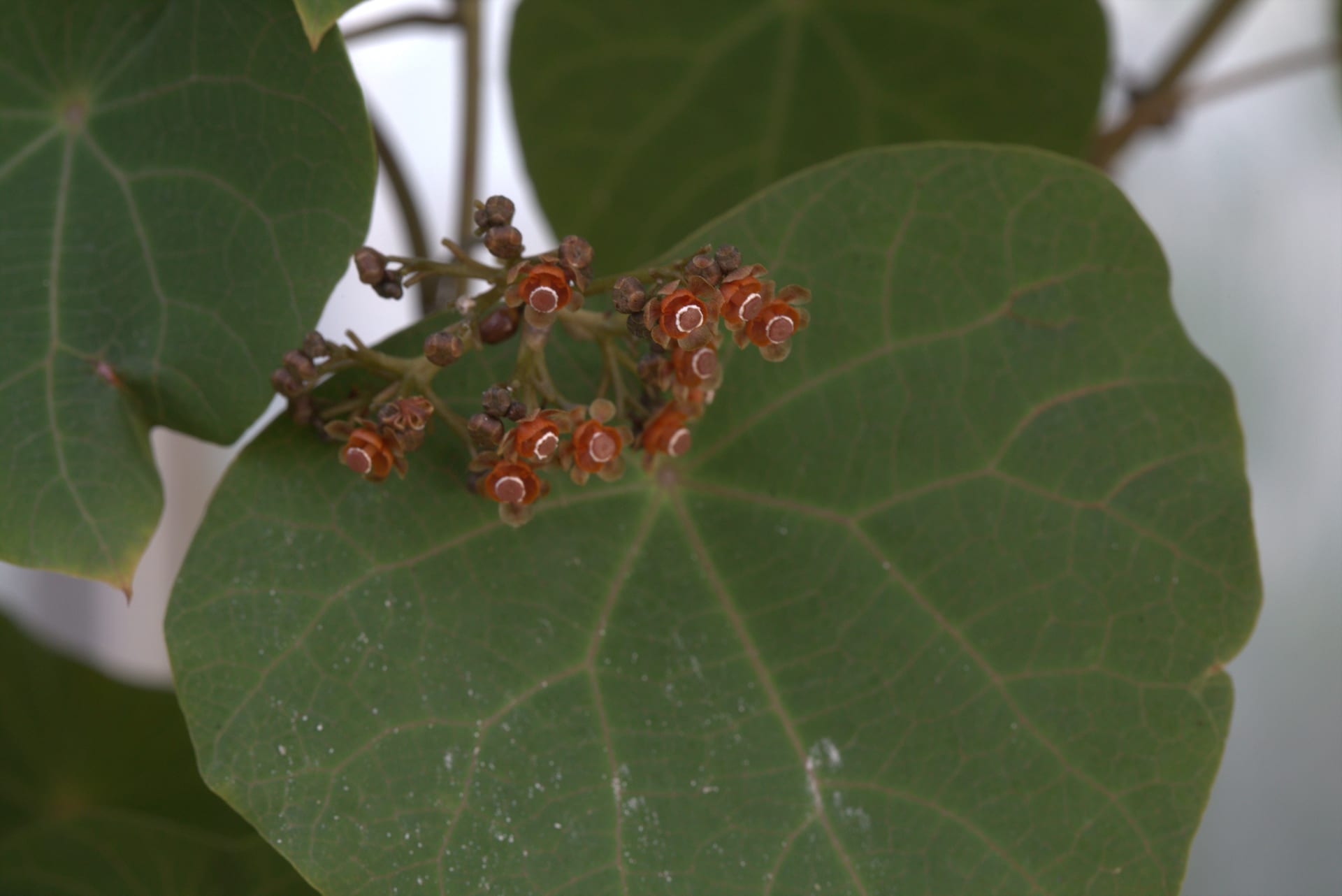
 © Averater / CC BY 3.0
Stephania venosa
Stephania venosa is a climbing caudex plant native to Southeast Asia. Its standout feature is a large, rounded, brown caudex, from which fresh vines emerge each year, filling out with round, heart-like leaves. Cut or bruised stems and leaves release a reddish sap, a trait behind local names that reference the word for blood. The vines can be trained up a support or left to trail from a hanging pot, and even in leafless winter dormancy the sculptural caudex alone is worth admiring. It calls for a bit more experience to grow well, but the caudex swells over the years into an increasingly characterful specimen.
View Stephania venosa encyclopedia →0% commission on your first sales!Register by September 30, 2026 and your first 2 plants are commission-free!
Grower Wanted!
List your plants on GrowerDirect and sell directly to customers nationwide!
6 Transparency Commitments from GrowerDirect
Our Grower disclose all key information for Caudex Plants listings, ensuring complete transparency on variety, origin, light needs, and difficulty.
- Variety Disclosed
- Real Plant Photos
- Color Details
- Origin Disclosed
- Light Requirements
- Difficulty Level
Browse all 146 varieties
Light Requirements
Difficulty Level
No listings match your filters
Adjust your filters, or get notified when new listings arrive.
Getting alerts is free with a member account. When new listings match your saved search, we'll notify you by email and in-app.
Browse other categories
Verified growers (preview)
Are you growing caudex plants?
Register as a grower and connect with buyers directly.
Apply as a growerStephania venosa key facts
- Growing Difficulty
- Intermediate
- Lifespan
- Perennial (little published data)
- Size
- Leaves about 7-10 cm across; tubers can grow large
- Watering
- Sparingly in the growing season
- Light & Placement
- As a forest climber, grow it in bright light out of harsh direct sun, and give the vines a support to climb.
- Watering
- Water when the soil dries while it is in leaf, and reduce water while the vines are dormant.
- Dormancy Care
- The above-ground vines are annual and die back in dormancy. Keep the tuber on the dry side and wait for new shoots.
- Temperature & Overwintering
- A tropical Asian plant, it is cold-sensitive; keep it in a warm room for winter.
- Soil & Repotting
- Plant in a free-draining mix with the top of the tuber above the soil to keep it from staying damp.
- Pests & Cautions
- Red sap from wounds is normal. Most large tubers on the market were dug from the wild, so choose plants that are rooted and producing vines.
About Stephania venosa
Stephania venosa is a Southeast Asian climbing caudex plant with a large, rounded brown caudiciform base, round leaves, and reddish sap when cut.
7 things to know before growing Stephania venosa
1Light and Placement
Because Stephania venosa is a climber, training the vines up a support or letting them trail from a hanging pot shows off the foliage best. Strong midsummer sun through a window can scorch the leaves, so bright, filtered light such as through a sheer curtain suits it well. Good airflow around the plant also helps prevent problems from excess humidity.
2Watering
Because the caudex stores water, let the soil surface dry out before giving it a thorough watering rather than keeping it constantly moist. Prolonged wet conditions can damage the caudex, so make sure water drains freely from the bottom of the pot. Adjust the watering frequency between the growing season and dormancy.
3Soil
A well-draining soil mix is essential to keep the caudex from rotting in overly moist conditions. A blend of ingredients such as akadama, pumice, and perlite gives a good balance of moisture retention and drainage. A commercial succulent or caudex-specific potting mix is also a convenient option.
4Repotting
As the caudex grows and roots fill the pot, it's time to consider moving up to a slightly larger container. Repotting near the start of the growing season puts less stress on the plant. If any roots are damaged in the process, let the cut ends dry before replanting.
5Winter Dormancy
As temperatures drop, the vines and leaves may die back, leaving the plant dormant as just a bare caudex. This is a natural seasonal cycle for Stephania venosa, so there's no need to worry when it happens. During dormancy, cut back on watering and keep the soil on the drier side.
6Choosing a Healthy Plant
Look for a caudex that feels firm to the touch with few dents or blemishes, as this is a good sign of overall condition. Checking that it doesn't wobble and that the roots feel well established is another useful indicator. If the plant is in leaf, it's also worth checking the leaf color and the condition of the vines.
7Handling the Sap
A distinctive trait of Stephania venosa is the reddish sap that seeps out when a stem or leaf is cut. When pruning or handling the plant, take care to avoid getting the sap on skin or clothing, and wash your hands afterward. It's also a good idea to keep pruning tools clean after use.
Frequently asked questions about Stephania venosa
- Q.Is this a good plant for beginners?
- A.Stephania venosa is generally considered a plant for more experienced growers, with some technique needed for placement and watering. If you've grown other caudex plants before, it's an approachable next step, and once you get the basics right it can be enjoyed for a long time.
- Q.The leaves dropped in winter — is it dying?
- A.It's common for Stephania venosa to lose its vines and leaves as temperatures drop, going dormant as just a bare caudex. As long as the caudex stays firm, this is simply the plant's natural seasonal cycle, and new vines and leaves will emerge again once the growing season returns.
- Q.How big does the caudex get?
- A.The caudex is a feature that keeps enlarging as the plant grows. Growth speed and eventual size vary from plant to plant, so it's best enjoyed as a plant that rewards patience over time.
- Q.How big are the leaves?
- A.The leaves typically reach around 7 to 10 cm in diameter. This can vary somewhat depending on the individual plant and its growing conditions.
- Q.Why does it release red sap when cut?
- A.Stephania venosa releases a reddish sap when a stem or leaf is injured, which is one of its distinctive traits. In places like Thailand it's sometimes known by names that include a word for blood. When handling the plant, take care to keep the sap off your skin and clothing.
Handy Growing Tools for Stephania venosa
Learn more about Stephania venosa in the encyclopedia
View Stephania venosa encyclopedia entry →
Care difficulty, size, origin and light needs — all basics covered.
More in this category
Can't find the plant you're looking for?
Post your wishes for free and growers with matching plants will contact you with introductions.