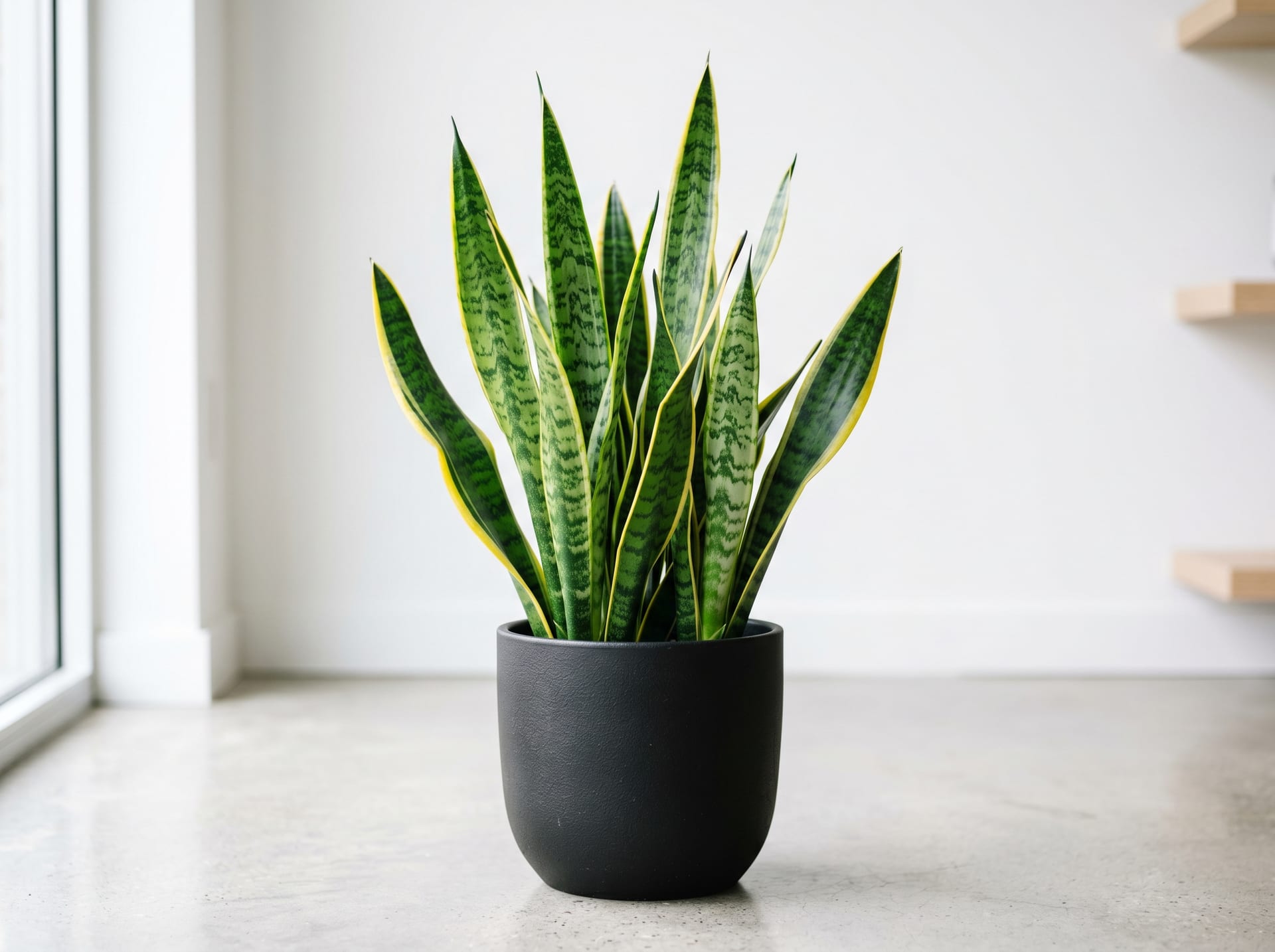
Sansevieria
Sansevieria is a succulent native to Africa, prized for its striking upright leaves and remarkable tolerance for drought and low light, making it ideal for beginners. Its bold yet minimalist form fits seamlessly into any interior style.
View Sansevieria encyclopedia →Grower Wanted!
List your plants on GrowerDirect and sell directly to customers nationwide!
6 Transparency Commitments from GrowerDirect
Every Grower selling Foliage Plants provides complete transparency: variety, origin, light requirements, and care difficulty.
- Variety Information
- Real Photos
- True Colors
- Origin Information
- Light Requirements
- Care Difficulty
Browse all 139 varieties
Light Requirements
Care Difficulty
No listings match your filters
Adjust your filters, or get notified when new listings arrive.
Getting alerts is free with a member account. When new listings match your saved search, we'll notify you by email and in-app.
Browse other categories
Verified growers (preview)
Are you growing foliage plants?
Register as a grower and connect with buyers directly.
Apply as a growerSansevieria key facts
- Growing Difficulty
- Beginner-friendly
- Lifespan
- 10+ years
- Size
- 20cm-1.2m (varies by variety)
- Temperature
- 10〜30℃
- Humidity
- 30〜60%
- Placement
- Bright location best but tolerates low light
- Watering
- Once or twice monthly. Extremely drought-tolerant
- Temperature
- Above 10°C. Almost no winter watering needed
- Soil
- Well-draining soil. Succulent mix works too
- Propagation
- Propagate by division or leaf cuttings. Variegated types lose their markings from leaf cuttings, so division is the reliable method.
- Pests & Cautions
- Sogginess is its worst enemy and leads to root rot. The leaves snap easily, so keep it out of reach of children and pets.
About Sansevieria
Sansevieria is a succulent in the Asparagaceae family, native to West Africa. Though once classified under the genus Sansevieria, it has since been reclassified into Dracaena. Its sword-like upright leaves, often patterned with contrasting green tones and horizontal bands, give it a bold architectural presence that suits modern interiors. Different cultivars vary significantly in leaf color, width, and height, offering a wide range of visual options. Originating from arid regions, Sansevieria stores water efficiently in its thick leaves, making it highly tolerant of neglect and irregular watering — a key reason it's recommended for beginners. Its adaptability to varying light conditions, from bright windowsills to dimly lit offices, makes it one of the most versatile houseplants available. Whether placed in a living room, entryway, or workspace, its clean lines and low-maintenance nature make it a lasting favorite for plant enthusiasts at every level.
Featured Growers Selling Sansevieria
Browse all Sansevieria growers (2 total) →7 things to know before growing Sansevieria
1Water Sparingly
As a succulent, Sansevieria is highly susceptible to overwatering. Water only when the soil is completely dry, about 1–2 times a month from spring through autumn, and in winter watering is almost unnecessary. Wrinkled leaves are a reliable signal that it's time to water.
2Tolerates Low Light
Sansevieria adapts to a wide range of light conditions, from bright indirect light to moderate shade. However, extremely dark locations can cause etiolation and fading leaf patterns, so a bright indoor spot near a window is ideal.
3Protect from Cold
Being native to Africa, Sansevieria is sensitive to cold. Temperatures below 10°C can damage the leaves. Keep it in a location with temperatures above 10°C during winter, away from cold drafts near windows. Never expose it to frost.
4Use Well-Draining Soil
Poor drainage leads to root rot, the most common cause of death in Sansevieria. Use cactus/succulent mix or a blend of akadama and leaf mold for good drainage. Adding a layer of drainage stones at the bottom of the pot is also beneficial.
5Repot Every 2–3 Years
Sansevieria grows relatively slowly, but once roots fill the pot, drainage deteriorates. When roots emerge from the drainage holes, move it to a slightly larger pot. The best time for repotting is spring to early summer.
6Easy Propagation
Sansevieria spreads via underground runners that produce offsets (pups). Once a pup is well-established, gently separate it with its roots and pot it separately. This is a straightforward and reliable propagation method.
7Fertilize Minimally
Excessive fertilizer can damage roots and cause weak, elongated growth. During the growing season (spring to autumn), apply a diluted liquid fertilizer once a month. Avoid fertilizing altogether in winter.
Frequently asked questions about Sansevieria
- Q.How often should I water Sansevieria?
- A.Water about 1–2 times a month once the soil is fully dry. In winter, watering is almost unnecessary. Erring on the side of underwatering is safer, as Sansevieria handles drought much better than excess moisture.
- Q.Can Sansevieria grow in a room with little sunlight?
- A.Sansevieria has reasonable shade tolerance, but complete darkness leads to faded coloring and very slow growth. Ensure at least indirect light or ambient room light from a window to keep it healthy.
- Q.Why are the leaves turning yellow?
- A.The most common cause is overwatering, which leads to root rot. If yellowing leaves feel soft, stop watering, remove the plant from its pot, and inspect the roots. Blackened roots should be trimmed away; allow the plant to dry before repotting.
- Q.Is Sansevieria safe for pets and children?
- A.Sansevieria is listed by the ASPCA as toxic to cats and dogs. Ingesting leaves in significant amounts may cause vomiting or diarrhea. The leaves also break easily, so it is advisable to place the plant out of reach of pets and small children.
- Q.How should I care for Sansevieria in winter?
- A.In winter, hold off on watering almost entirely and move the plant to a location where temperatures stay above 10°C. Prolonged exposure to cold drafts near windows can damage the leaves, so reposition it away from the glass if needed. Hold off on fertilizing entirely during winter.
Handy Growing Tools for Sansevieria
Learn more about Sansevieria in the encyclopedia
View Sansevieria encyclopedia entry →
Care difficulty, size, origin and light needs — all basics covered.
Sansevieria related articles
Complete Guide to Growing Sansevieria | Care and Management of a Hardy and Easy-to-Grow Houseplant Standard
A guide to growing Sansevieria, a classic houseplant recommended for beginners. Covers light, watering, repotting, and propagation methods including division and leaf cuttings.
10 Shade-Tolerant Houseplants Recommended | Plant Species That Thrive in North-Facing or Windowless Rooms
Carefully selected shade-tolerant houseplants that thrive even in poorly lit rooms. This guide covers high shade-tolerance varieties such as Aglaonema, Zamioculcas, Sansevieria, and Schefflera, along with key management tips for dark environments.
More in this category
Can't find the plant you're looking for?
Post your wishes for free and growers with matching plants will contact you with introductions.