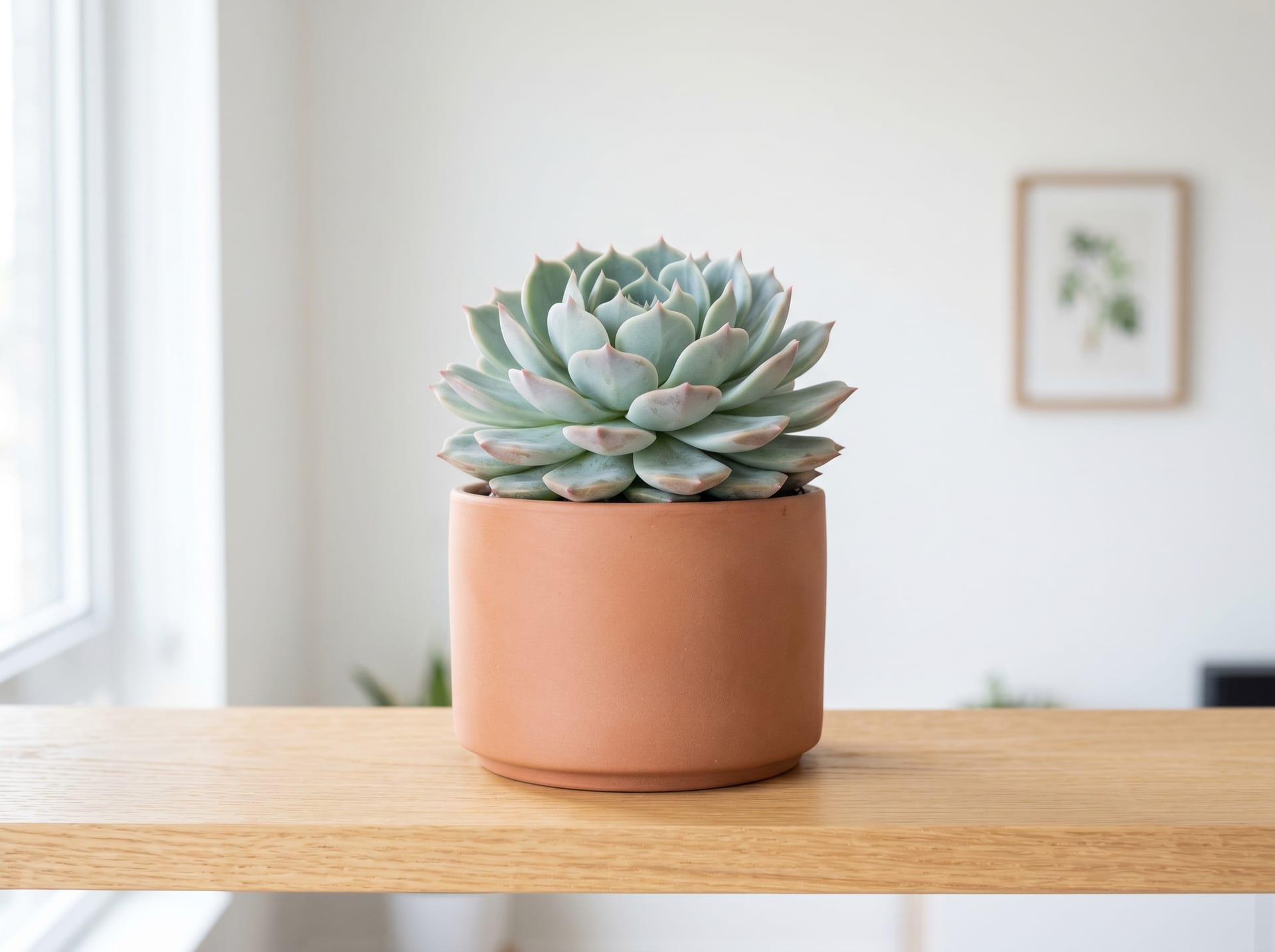
Echeveria
The quintessential rosette succulent, with flower-like leaf arrangements in hundreds of species. Beautiful stress coloring in autumn/winter. Easy leaf propagation makes collecting irresistible.
View Echeveria encyclopedia →Grower Wanted!
List your plants on GrowerDirect and sell directly to customers nationwide!
6 Transparency Commitments from GrowerDirect
Grower disclose this information for Succulents & Cacti. We guarantee transparency in variety, origin, light requirements, and difficulty level.
- Variety Disclosed
- Real Photos
- Color Details
- Origin Disclosed
- Light Requirements
- Difficulty Level
Browse all 131 varieties
Light Requirements
Difficulty Level
No listings match your filters
Adjust your filters, or get notified when new listings arrive.
Getting alerts is free with a member account. When new listings match your saved search, we'll notify you by email and in-app.
Browse other categories
Verified growers (preview)
Are you growing succulents & cacti?
Register as a grower and connect with buyers directly.
Apply as a growerEcheveria key facts
- Growing Difficulty
- Beginner-friendly
- Size
- 3-30cm rosette
- Temperature
- 5〜35℃
- Watering
- Water: when dry in spring/fall / reduce in summer and winter
- Light
- Full sun preferred. Insufficient light causes etiolation
- Watering
- In spring and autumn water sparingly once the soil dries completely. Reduce watering in summer and winter, and ensure airflow from the rainy season through summer.
- Temperature & Overwintering
- Growing range is 5-35°C, ideally 10-25°C. In winter it can be kept indoors at 5°C or above.
- Soil
- Succulent mix. Akadama, Kanuma, pumice blend also works
- Propagation
- Easy via leaf propagation, beheading, or offset division
- Notes
- Leaf bloom (powder) rubs off easily. Water at the base, not on leaves
About Echeveria
Echeveria is a genus of succulents native to the arid regions of Mexico and Central America, named after 19th-century Mexican botanical illustrator Atanasio Echeverría. In the wild, these plants grow on rocky cliffs and hillsides, storing water in their leaves to survive harsh dry seasons. Their defining feature is the symmetrical rosette form — layers of leaves radiating outward with geometric precision, creating a beauty that resembles a sculpted flower made of stone or ceramic. Leaf colors range widely by variety, from silvery blue-green and deep purple to powdery pastel tones, and many cultivars display vivid autumn coloration in shades of red and orange when exposed to cool temperatures and strong sunlight. Echeverias are relatively hardy plants; with proper sunlight and careful watering, even beginners can grow them successfully. Because they propagate readily from leaf cuttings and offsets, collecting and trading rare cultivars has become an enthusiastic hobby within the succulent community.
7 things to know before growing Echeveria
1Sunlight Is Essential
Echeveria thrives in bright light and ideally needs 4–6 hours or more of direct sunlight per day. Insufficient light causes etiolation—the stems stretch and the rosette loses its compact shape. A south-facing windowsill or an outdoor spot is the ideal placement.
2Avoid Overwatering
Root rot from overwatering is the most common cause of failure with Echeveria. The golden rule is to water thoroughly only after the soil has completely dried out. Never leave standing water in the saucer, as prolonged moisture promotes rot.
3Use Well-Draining Soil
Standard potting mix retains too much moisture for Echeveria. Use a dedicated succulent and cactus mix, or improve drainage by blending regular potting soil with 30–50% pumice or perlite. Adding a layer of drainage stones at the bottom of the pot also helps.
4Tips for Autumn Coloring
Cooler temperatures and larger day-to-night temperature swings from autumn into winter trigger the red, orange, and purple leaf coloring Echeveria is famous for. Maximizing sun exposure and slightly reducing watering will enhance the colors. That said, Echeveria is frost-sensitive, so bring plants indoors before temperatures drop below freezing.
5Easy Propagation by Leaf Cuttings
Echeveria can be easily propagated by removing a single leaf, letting it callous for a day or two, then placing it on top of dry soil. A clean break at the base significantly improves success rates. Keep the leaf in bright, indirect light and hold off on watering until roots and a new rosette appear.
6Summer Heat and Humidity Care
Japan's hot, humid summers are challenging for Echeveria, as excess moisture causes leaves to rot. During the rainy season and summer months, move plants to a sheltered spot out of direct rain and ensure good airflow. Reduce watering further and water only during the cooler parts of the day—early morning or evening.
7Choosing the Right Pot
Terracotta pots are an excellent choice for Echeveria thanks to their breathability and fast drainage. Choose a pot that is only slightly larger than the plant's diameter—oversized pots hold excess moisture and increase the risk of root rot. Always confirm the pot has drainage holes at the bottom.
Frequently asked questions about Echeveria
- Q.Can echeverias be grown entirely indoors?
- A.Echeverias can be grown indoors near a bright window, but insufficient light causes them to become leggy and lose their compact shape. A south-facing windowsill or a supplemental grow light will help keep plants healthy and well-formed.
- Q.What happens if I forget to water?
- A.Since echeverias store water in their leaves, forgetting to water for a few weeks will not kill them. Leaves beginning to wrinkle or shrivel are a signal that it is time to water, and plants typically recover quickly afterward. Over-watering causes more damage than under-watering, so beginners should err on the side of dryness.
- Q.How cold can echeverias tolerate in winter?
- A.Most echeveria varieties can tolerate temperatures down to around 0–5°C, though this varies by cultivar. However, frost exposure will damage the leaves, so in areas that experience frost, plants should be moved indoors or under shelter for winter. The key is ensuring the soil in the pot does not freeze.
- Q.Why do my echeveria leaves fall off easily?
- A.Leaves that fall off easily are often a sign of overwatering or root rot beginning to develop. Outer leaves can also detach when the plant is moved or handled, which is normal. Rather than discarding fallen leaves, lay them on dry soil — they may root and produce new rosettes through leaf propagation.
- Q.What type of pot is best for echeverias?
- A.Unglazed terracotta pots are the best choice due to their breathability, which helps soil dry out faster. Plastic pots retain moisture longer and increase the risk of rot, so watering frequency should be reduced if using them. Choose a pot only slightly larger than the plant, as oversized containers hold excess moisture and slow drying.
Handy Growing Tools for Echeveria
Learn more about Echeveria in the encyclopedia
View Echeveria encyclopedia entry →
Care difficulty, size, origin and light needs — all basics covered.
Echeveria related articles
Echeveria Propagation and Leaf-Cutting Techniques
A practical guide to leaf propagation specialized for Echeveria. Detailed explanations covering leaf selection, callus formation and root management, failure factors specific to powdery varieties, and when to use division or stem cuttings.
Echeveria subsessilis Offset Propagation — Separation from Parent Plants, Root Promotion, and Parent Plant Recovery Management
Detailed guide on safely separating Echeveria subsessilis offsets from parent plants, promoting root development, and managing parent plant recovery after offset removal.
Top 10 Succulents for Beginners | Expert Selection of Echeveria, Haworthia, Sedum, Aloe & More
For beginners growing succulents for the first time, we've carefully selected 10 easy-to-grow species. We explain in detail the characteristics, care tips, and availability of popular varieties like Echeveria, Haworthia, Sedum, Aloe, and Kalanchoe from a beginner's perspective.
Guide to Echeveria Hybridization and Seedling Cultivation: From Pollen Collection to Young Plant Management
Explains the methods for Echeveria cross-breeding (hybrid creation) and seedling cultivation. Covers the complete process from pollen collection and crossing procedures to seed collection and storage, sowing through germination, and seedling management—a detailed guide to creating your own original Echeveria varieties.
Complete Guide to Echeveria Types | Characteristics of Popular Varieties and How to Choose Plants for Arrangements
A comprehensive explanation of Echeveria variety classification, differences in characteristics, and how to combine plants for arrangements among popular succulents. We introduce tips for choosing varieties that both beginners and advanced growers can enjoy.
Popular Echeveria Varieties and Care Guide | Complete Guide for Beginners
Explains the characteristics of popular Echeveria varieties, basic care methods, and tips for watering, lighting, and repotting for beginners.
More in this category
Can't find the plant you're looking for?
Post your wishes for free and growers with matching plants will contact you with introductions.