 © Krzysztof Ziarnek, Kenraiz / CC BY-SA 4.0
Madagascar ocotillo
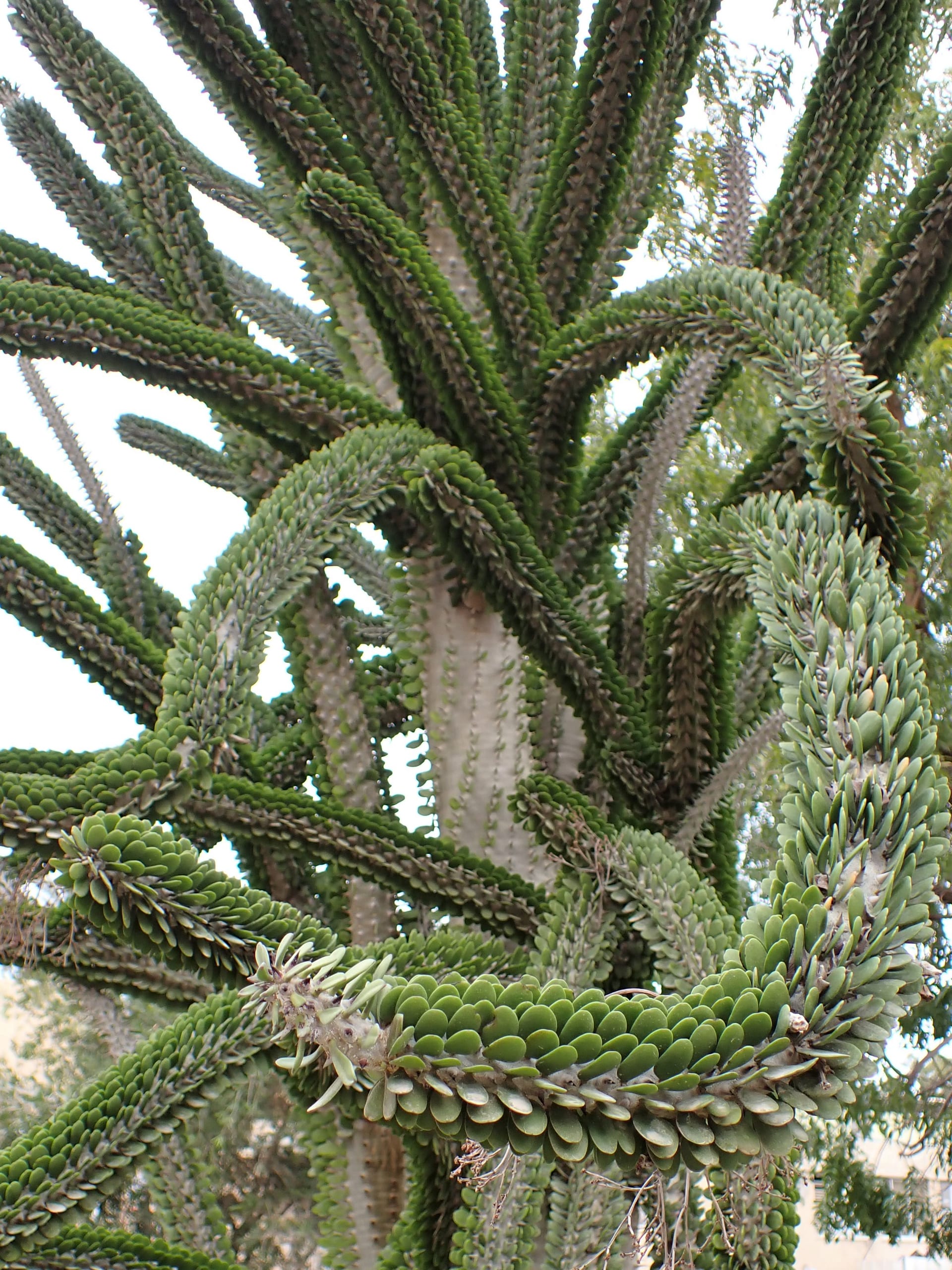
Alluaudia procera, known as the Madagascar ocotillo, is a succulent tree from the spiny forests of southern Madagascar. Its bone-white trunk is lined with sharp spines and rows of tiny round leaves, giving it a striking, sculptural look. It closely resembles the North American ocotillo, but the two belong to distantly related plant families. It is considered beginner-friendly, and with good light and free-draining soil it is easy to keep. In the wild it can top 15 m, and even as an indoor potted plant it reaches 1.5 to 3 m, so plan for its height and space before you bring one home.
View Madagascar ocotillo encyclopedia →0% commission on your first sales!Register by September 30, 2026 and your first 2 plants are commission-free!
Grower Wanted!
List your plants on GrowerDirect and sell directly to customers nationwide!
6 Transparency Commitments from GrowerDirect
Our Grower disclose all key information for Caudex Plants listings, ensuring complete transparency on variety, origin, light needs, and difficulty.
- Variety Disclosed
- Real Plant Photos
- Color Details
- Origin Disclosed
- Light Requirements
- Difficulty Level
Browse all 146 varieties
Light Requirements
Difficulty Level
No listings match your filters
Adjust your filters, or get notified when new listings arrive.
Getting alerts is free with a member account. When new listings match your saved search, we'll notify you by email and in-app.
Browse other categories
Verified growers (preview)
Are you growing caudex plants?
Register as a grower and connect with buyers directly.
Apply as a growerMadagascar ocotillo key facts
- Growing Difficulty
- Beginner-friendly
- Lifespan
- Long-lived woody plant (little published data)
- Size
- Over 15 m in the wild; 1.5–3 m as a potted indoor plant
- Temperature
- 20〜30℃
- Watering
- Dilute feeding in the growing season
- Light & Placement
- Give it full sun, or very bright light indoors, with good air circulation.
- Watering
- Water, then let the mix dry out thoroughly before watering again.
- Temperature & Overwintering
- Indoors it does best at 20–30°C, with around 10°C in winter. Established plants are said to tolerate about 0°C, but keep it frost-free. Give no water once it drops its leaves in winter.
- Soil & Repotting
- Use a very free-draining mix. If you feed, dilute the fertilizer well below the label rate.
- Pruning & Shaping
- It does not branch freely. Once settled after potting, cutting it back to 7–10 cm encourages branching, and the removed piece can be rooted.
- Propagation
- Cuttings taken in spring root easily; seed can be used when available.
- Pests & Cautions
- The spines are sharp; wear thick gloves when repotting or pruning.
About Madagascar ocotillo
Alluaudia procera, the Madagascar ocotillo: a beginner-friendly spiny succulent tree with a pale trunk and small round leaves. Care tips inside.
7 things to know before growing Madagascar ocotillo
1Give it plenty of sun
It comes from sunny, dry spiny forest in southern Madagascar. Put it in full sun outdoors, or by the brightest window indoors. With too little light the stem stretches and loses its compact, sculptural shape.
2Water deeply, then dry out
Check that the soil is dry all the way through, then water until it runs out of the drainage holes. Empty the saucer and never leave the soil constantly wet, which is the main cause of root rot. The plant may drop leaves in dry spells, so if the foliage thins, check the firmness of the trunk rather than panicking.
3Free-draining soil
Mix extra pumice or similar gritty material into a commercial cactus and succulent mix to improve drainage. Because this tree grows tall, choose a heavy, stable pot that will not tip over easily.
4Repot in the growing season
When the roots fill the pot and water drains slowly, move the plant to a slightly larger pot during the warm growing season. You do not need to repot often, only when it shows signs of being root-bound. The spines are sharp, so wear thick gloves while you work.
5Keep it drier in winter
Growth slows when temperatures drop, so water less often and keep the soil on the dry side. Keep it away from frost and cold wind, and bring it into a warm room before the cold arrives. It may drop its leaves and rest in cool weather, and new leaves often appear once it warms up again.
6Plan for its height
In the wild it grows over 15 m, and as an indoor potted plant it reaches 1.5 to 3 m. Think about ceiling height and floor space before you buy. The spines are sharp, so avoid walkways and spots within reach of children or pets.
7How to choose a plant
Look for a firm, taut trunk with no soft spots when pressed. A steady base and spines and leaves with little damage or discoloration are also good signs. Check the trunk and overall size in the listing photos, and message the grower if anything is unclear.
Frequently asked questions about Madagascar ocotillo
- Q.Can a beginner grow it?
- A.It is rated as beginner-friendly. If you give it bright light, free-draining soil and water only after the soil dries, it is easy to keep. It does grow large, so decide where it will live before you bring it home.
- Q.How big does it get indoors?
- A.As an indoor potted plant it reaches about 1.5 to 3 m. In the wild it grows over 15 m tall, so choose a spot with plenty of ceiling clearance.
- Q.It dropped its leaves. Is it dead?
- A.It can drop leaves because of dryness, cold or a change of location, so leaf drop alone does not mean it has died. If the trunk is still firm, review its placement and watering and give it time. If the trunk feels soft, root rot is possible, so hold off on watering and check the soil.
- Q.Is it the same as the North American ocotillo?
- A.They look alike, but they belong to distantly related plant families. Alluaudia procera is native to southern Madagascar, and the name Madagascar ocotillo comes from its resemblance to the North American plant.
- Q.How long does it live?
- A.It is a long-lived woody plant, but there is little information on its lifespan, so I cannot give a specific number of years. Plan on keeping it for a long time, and be ready to adjust its space and pot as it grows.
Handy Growing Tools for Madagascar ocotillo
Learn more about Madagascar ocotillo in the encyclopedia
View Madagascar ocotillo encyclopedia entry →
Care difficulty, size, origin and light needs — all basics covered.
More in this category
Can't find the plant you're looking for?
Post your wishes for free and growers with matching plants will contact you with introductions.