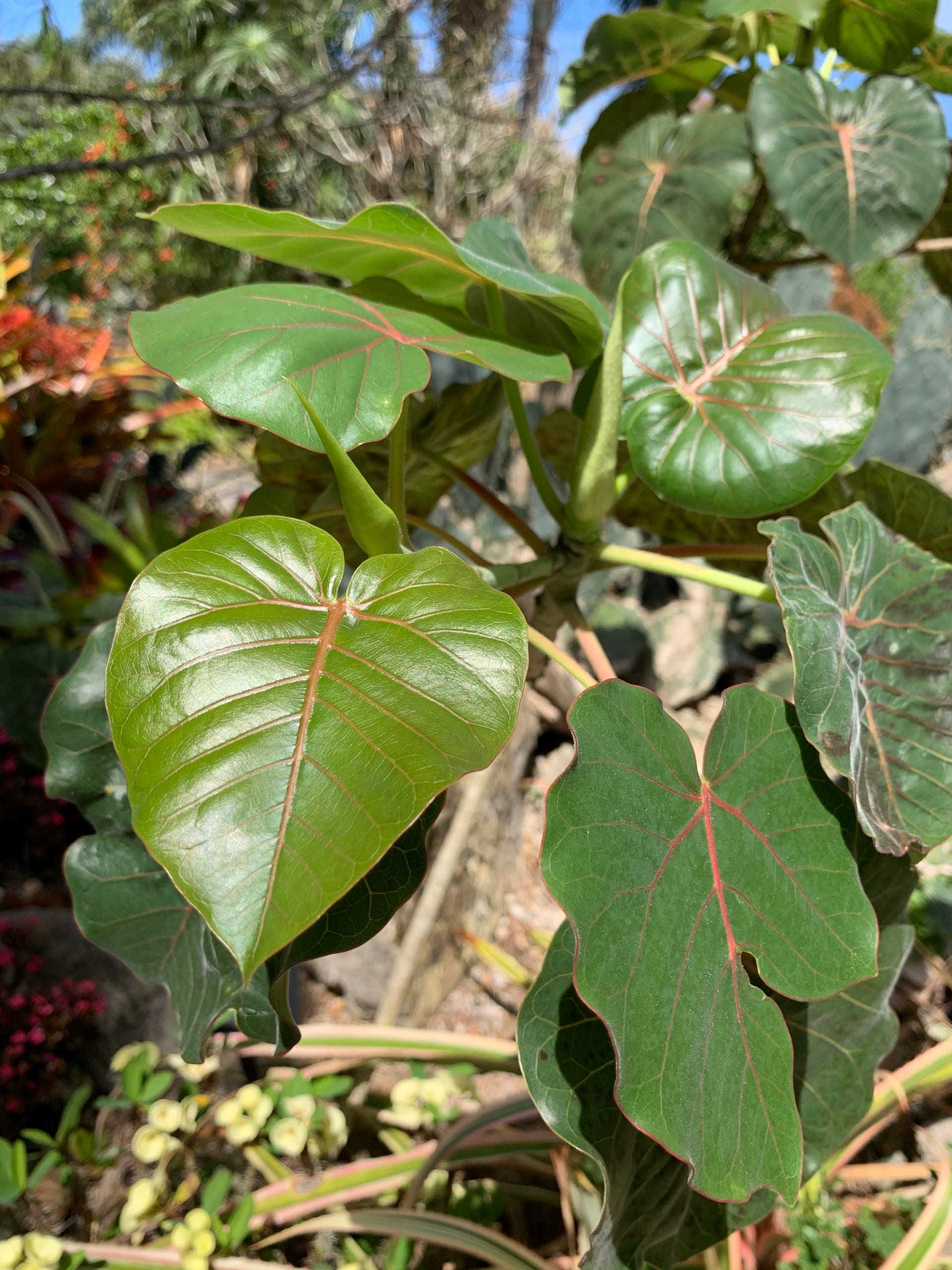
 © KATHERINE WAGNER-REISS / CC BY-SA 4.0
Rock fig
Ficus petiolaris is a fig species endemic to Mexico, known for its yellow-green bark and heart-shaped bright green leaves. On the underside of each leaf, small tufts of white hairs form where the veins branch — a key trait for identifying this species among other figs. In Japan, potted specimens with a swollen, bulbous base are commonly grown as caudex plants, and that rounded silhouette is a large part of their appeal as houseplants. In the wild it's a tree that has been recorded reaching heights of up to 30 meters, but when grown in a pot it stays comfortably compact and manageable indoors. It's generally considered a variety suited to intermediate growers who already have some plant-care experience.
View Rock fig encyclopedia →0% commission on your first sales!Register by September 30, 2026 and your first 2 plants are commission-free!
Grower Wanted!
List your plants on GrowerDirect and sell directly to customers nationwide!
6 Transparency Commitments from GrowerDirect
Our Grower disclose all key information for Caudex Plants listings, ensuring complete transparency on variety, origin, light needs, and difficulty.
- Variety Disclosed
- Real Plant Photos
- Color Details
- Origin Disclosed
- Light Requirements
- Difficulty Level
Browse all 146 varieties
Light Requirements
Difficulty Level
No listings match your filters
Adjust your filters, or get notified when new listings arrive.
Getting alerts is free with a member account. When new listings match your saved search, we'll notify you by email and in-app.
Browse other categories
Verified growers (preview)
Are you growing caudex plants?
Register as a grower and connect with buyers directly.
Apply as a growerRock fig key facts
- Growing Difficulty
- Intermediate
- Lifespan
- Long-lived woody plant (little published data)
- Size
- Recorded up to 30 m tall in the wild; stays small in a pot
- Watering
- Light feeding in the growing season
- Light & Placement
- It is said to grow best in partial shade; keep it bright but out of harsh afternoon sun.
- Watering
- It prefers moderate water: in the growing season water thoroughly once the pot dries, without keeping it constantly wet.
- Temperature & Overwintering
- A tree from warm parts of Mexico with little published data on cold tolerance; overwinter it indoors in a bright spot and water sparingly.
- Soil & Repotting
- Use a free-draining mix. To show off the swollen base, grow it in a shallow pot with the base slightly raised.
- Pruning & Shaping
- It becomes a large tree in the wild, so keep it compact with pot size and pruning.
About Rock fig
Ficus petiolaris, a Mexico-native fig with yellow-green bark and heart-shaped leaves marked by white hair tufts, is grown in pots with a swollen base as a popular caudex plant. Here's what to know before growing one.
7 things to know before growing Rock fig
1Bright Partial Shade
Ficus petiolaris is said to grow well in partial shade. Keep it somewhere bright but out of harsh afternoon sun, and acclimate it gradually when changing its conditions, such as moving it outdoors.
2Water Generously in the Growing Season
From spring through autumn, water thoroughly once the soil surface has dried out. Once the plant drops its leaves and enters dormancy, water uptake slows, so let the soil stay dry for a few extra days between waterings.
3Choose a Fast-Draining Soil
A well-draining mix, such as one blended with akadama and pumice, helps prevent root rot. A commercial caudex or succulent soil blend also works well and makes care simpler.
4Repot Just Before New Growth
The best time to repot is shortly before the growing season begins, moving up to a pot one size larger. Avoid disturbing the root ball too aggressively — just trim away any damaged roots.
5Protect It from Cold in Winter
As a native of Mexico, this fig isn't especially cold-hardy, so move it to a bright indoor spot once temperatures drop. Water uptake slows in cold weather too, so cut back on watering and let the soil stay on the dry side.
6Don't Panic Over Leaf Drop
It's normal for the plant to shed its leaves as it enters dormancy, and this usually isn't a sign of dieback. New growth typically returns once the growing season resumes and temperatures rise.
7Check the Leaves and Trunk When Choosing
One way to confirm true Ficus petiolaris is to look for small tufts of white hairs where the veins branch on the underside of the leaves. It also helps to check the trunk's yellow-green coloring and how well-developed the swollen base is.
Frequently asked questions about Rock fig
- Q.Is this suitable for beginners?
- A.Ficus petiolaris is generally considered a plant for intermediate growers, since it calls for some knowledge of watering and placement. Anyone with a bit of gardening experience who follows the basics should be able to grow it successfully.
- Q.How large does it grow?
- A.In its native habitat it has been recorded reaching heights of up to 30 meters, but as a potted plant it can be kept fairly compact through pruning and pot size management.
- Q.Does leaf drop in winter mean the plant is dying?
- A.It's common for the plant to shed its leaves as it enters dormancy, and this is usually a normal physiological change rather than a sign of death. New growth often returns once temperatures rise again in the growing season.
- Q.How often should I water it?
- A.During the growing season from spring through autumn, water thoroughly whenever the soil surface has dried out. Once the plant enters dormancy, water uptake slows, so space out waterings and let the soil stay drier.
- Q.How can I tell it apart from other Ficus species?
- A.The key identifying feature is the small tufts of white hairs found where the veins branch on the underside of the leaves. The trunk's yellow-green coloring is another helpful clue when confirming it's Ficus petiolaris.
Handy Growing Tools for Rock fig
Learn more about Rock fig in the encyclopedia
View Rock fig encyclopedia entry →
Care difficulty, size, origin and light needs — all basics covered.
More in this category
Can't find the plant you're looking for?
Post your wishes for free and growers with matching plants will contact you with introductions.