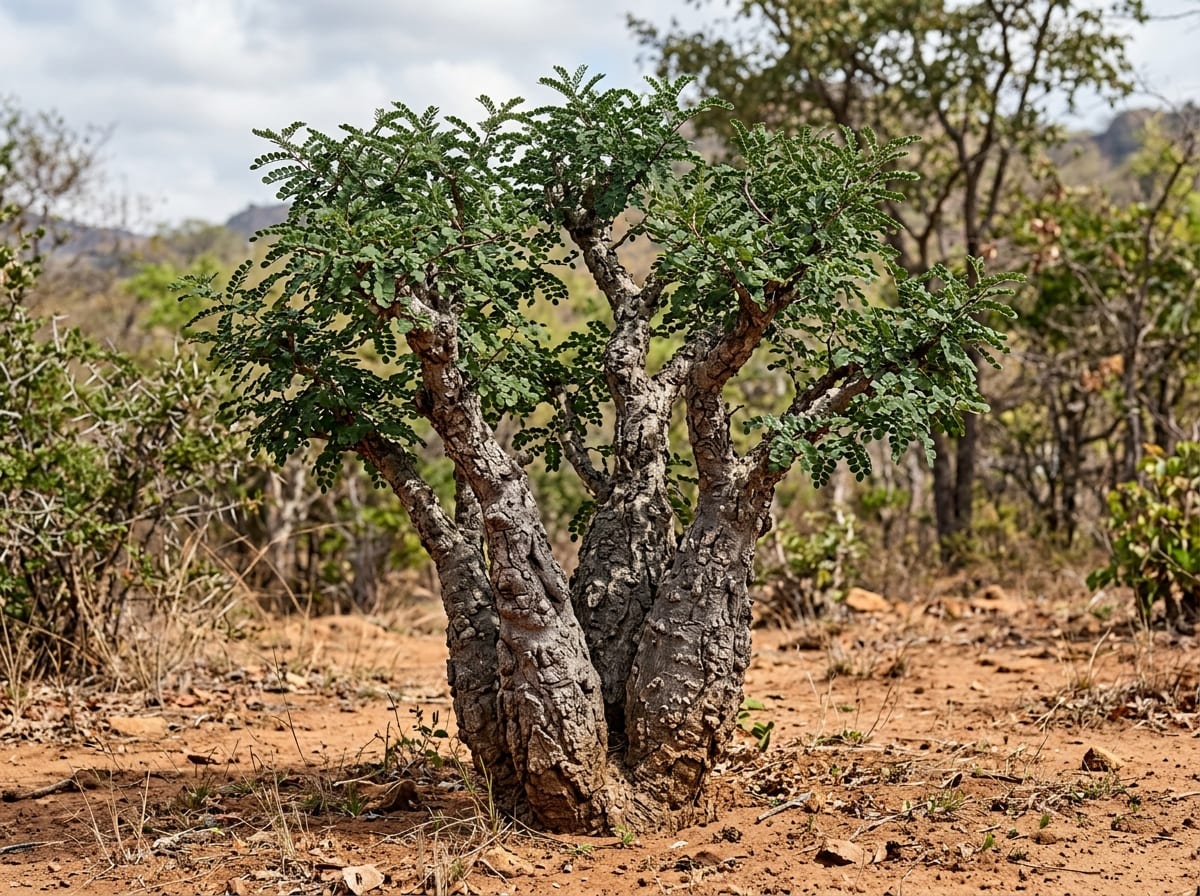
Operculicarya hyphaenoides
Operculicarya hyphaenoides is a caudex-forming plant native to southwestern Madagascar. It sends up several thick, knobbly stems from its base, clothed in finely pinnate leaves covered in dense, soft hairs. Compared with its relatives O. pachypus and O. decaryi, its leaflets are rounder and more angular, and the whole plant carries noticeably more hair — the easiest way to tell it apart. As it matures, the trunk thickens into a rugged yet charming silhouette. Growing it well calls for some intermediate-level know-how, but caudex enthusiasts enjoy watching that trunk slowly swell over the years.
View Operculicarya hyphaenoides encyclopedia →0% commission on your first sales!Register by September 30, 2026 and your first 2 plants are commission-free!
Grower Wanted!
List your plants on GrowerDirect and sell directly to customers nationwide!
6 Transparency Commitments from GrowerDirect
Our Grower disclose all key information for Caudex Plants listings, ensuring complete transparency on variety, origin, light needs, and difficulty.
- Variety Disclosed
- Real Plant Photos
- Color Details
- Origin Disclosed
- Light Requirements
- Difficulty Level
Browse all 146 varieties
Light Requirements
Difficulty Level
No listings match your filters
Adjust your filters, or get notified when new listings arrive.
Getting alerts is free with a member account. When new listings match your saved search, we'll notify you by email and in-app.
Browse other categories
Verified growers (preview)
Are you growing caudex plants?
Register as a grower and connect with buyers directly.
Apply as a growerOperculicarya hyphaenoides key facts
- Growing Difficulty
- Intermediate
- Lifespan
- Long-lived woody plant (little published data)
- Size
- 1.5 m tall (occasionally 3 m); trunks up to 40 cm across
- Watering
- Regularly during the growing season
- Light & Placement
- Grow in a warm spot in full sun to light shade. It is fairly easy both indoors and outdoors.
- Watering
- In leaf it needs regular water like any tree, and in a well-drained mix it takes plenty in hot summers. Indoors keep it on the dry side to avoid rot, and reduce water in winter dormancy.
- Temperature & Overwintering
- From spring to autumn nights of 15°C or more and days of 25-45°C suit it; in winter keep nights above 10°C and days above 18°C. It needs a dry, cool season to flower.
- Soil & Repotting
- Use a gritty, porous mix at least half inorganic, with excellent drainage. Repot about every three years.
- Propagation
- Propagate by seed, cuttings or root pieces. Soak seed in warm water for 24 hours before sowing; it germinates erratically over about six months. Seed-grown plants develop better-looking roots.
- Pests & Cautions
- As an endangered species with a small range, choose nursery-raised seedlings over wild-collected plants to reduce pressure on wild populations.
About Operculicarya hyphaenoides
Operculicarya hyphaenoides is a Madagascar-native caudex plant with a knobbly trunk and finely haired pinnate leaves. An intermediate-level species prized by caudex collectors.
7 things to know before growing Operculicarya hyphaenoides
1Give It Plenty of Light
Operculicarya hyphaenoides thrives in strong light. Outdoors, place it in a bright, well-ventilated spot; indoors, keep it near a sunny window. Acclimate it gradually to direct sun to avoid leaf scorch.
2Adjust Watering by Season
During the growing season, water thoroughly once the soil surface has dried out, allowing clear wet-dry cycles. In dormancy, water uptake slows, so cut back on frequency and let the trunk show slight wrinkling before watering again to help prevent root rot.
3Use Fast-Draining Soil
A dedicated caudex mix, or a blend of akadama, pumice, and vermiculite, works well. Since the roots dislike staying wet, adding coarse pumice at the bottom of the pot further improves drainage.
4Repot During Active Growth
When roots fill the pot, repot into a slightly larger container during the active growing season. Hold off on watering right after repotting until the roots settle, and keep the plant in bright, indirect light while it recovers.
5Adapt Care to Temperature
Growth slows as temperatures drop, and the plant shifts toward a near-dormant state. Since cold exposure can damage it, move it to a bright indoor spot before temperatures fall, adjusting placement and watering with the season.
6Check Trunk and Leaf Condition
When choosing a plant, look for a firm, plump trunk without noticeable wrinkling, which signals good health. If leaves are present, their color and hair density also offer clues to the plant's condition.
7A Plant Grown Over Years
This long-lived woody species can eventually reach about 1.5m in height (occasionally up to 3m) with a trunk up to 40cm across. Watching the trunk slowly thicken over the years is part of the appeal for patient growers.
Frequently asked questions about Operculicarya hyphaenoides
- Q.Is this a good choice for beginners?
- A.Operculicarya hyphaenoides is generally considered an intermediate-level caudex plant. It doesn't require extreme conditions, but some experience with watering timing and placement helps. It suits growers who have raised other caudex plants before.
- Q.How does it differ from O. pachypus or O. decaryi?
- A.Compared with those relatives, O. hyphaenoides has rounder, more angular leaflets and noticeably more hair across its leaves and stems. That overall hairy texture is the easiest way to tell it apart.
- Q.How large does it eventually grow?
- A.Mature plants can reach about 1.5m in height, occasionally up to 3m, with a trunk diameter of up to about 40cm. It's a slow-growing, long-lived woody plant that develops over many years.
- Q.What should I watch for in winter care?
- A.As temperatures drop, growth slows and the plant shifts toward near-dormancy. Since cold exposure can damage it, move it to a bright indoor spot before it gets cold and reduce watering frequency.
- Q.What kind of location suits it best?
- A.It prefers strong light, so a well-ventilated sunny spot outdoors or a bright window indoors works well. Acclimate it gradually to strong direct sun to avoid leaf scorch.
Handy Growing Tools for Operculicarya hyphaenoides
Learn more about Operculicarya hyphaenoides in the encyclopedia
View Operculicarya hyphaenoides encyclopedia entry →
Care difficulty, size, origin and light needs — all basics covered.
More in this category
Can't find the plant you're looking for?
Post your wishes for free and growers with matching plants will contact you with introductions.