Commiphora
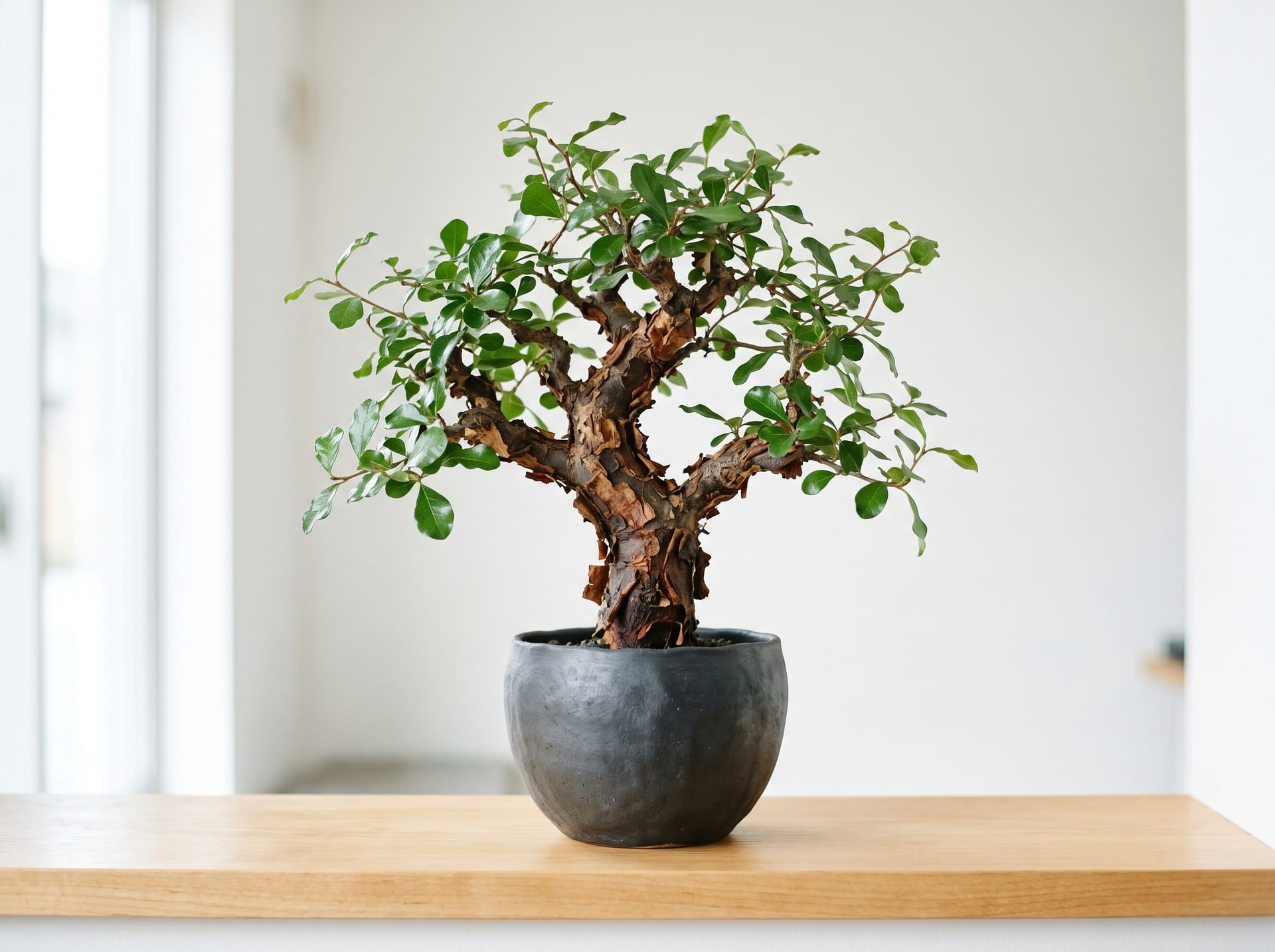
A myrrh-related caudex plant with peeling bark and distinctive trunk from Africa.
View Commiphora encyclopedia →Grower Wanted!
List your plants on GrowerDirect and sell directly to customers nationwide!
6 Transparency Commitments from GrowerDirect
Our Grower disclose all key information for Caudex Plants listings, ensuring complete transparency on variety, origin, light needs, and difficulty.
- Variety Disclosed
- Real Plant Photos
- Color Details
- Origin Disclosed
- Light Requirements
- Difficulty Level
Browse all 146 varieties
Light Requirements
Difficulty Level
No listings match your filters
Adjust your filters, or get notified when new listings arrive.
Getting alerts is free with a member account. When new listings match your saved search, we'll notify you by email and in-app.
Browse other categories
Verified growers (preview)
Are you growing caudex plants?
Register as a grower and connect with buyers directly.
Apply as a growerCommiphora key facts
- Growing Difficulty
- Advanced
- Lifespan
- 30+ years
- Size
- 20-60cm
- Light & Placement
- It prefers full sun and is very tolerant of hot, dry conditions. In the growing season, keep it outdoors in a sunny, airy spot.
- Watering
- In the growing season, water thoroughly once the soil dries. It dislikes wet soil, so let the pot dry out well, and withhold water during winter dormancy.
- Temperature & Overwintering
- It tends to be sensitive to cold and wet. Bring it into a warm, dry, bright room for winter and keep it unwatered.
- Soil & Repotting
- An extremely fast-draining mix suits it. Growth is generally slow, so repot only when root-bound, at the start of the growing season.
- Dormancy Care
- It drops leaves and rests in the dry season. Stop watering once leaves fall in winter and resume when it leafs out in the growing season.
About Commiphora
Commiphora is a shrubby caudiciform belonging to the family Burseraceae, with around 190 species found across Africa, the Arabian Peninsula, the Indian Ocean islands and India. It carries a rich history as the source of myrrh resin, used for millennia in religious ceremonies, perfumery, and even ancient Egyptian embalming practices. Its most striking feature is its papery, peeling bark that reveals fresh green or yellow-green layers beneath, creating a beautiful natural contrast. The trunk and branches swell to store water, producing a sculptural silhouette that captivates collectors. Mature plants typically reach 20–60 cm, making them manageable indoors. With adequate direct sunlight and careful attention to avoiding overwatering, Commiphora is a surprisingly resilient grower. With a lifespan exceeding 30 years, it becomes a long-term companion whose character deepens with every passing season.
Featured Growers Selling Commiphora
Browse all Commiphora growers (1 total) →5 things to know before growing Commiphora
1Bright Light Is Essential
Commiphora is adapted to intense African sunlight and thrives in full outdoor sun or a bright south-facing window. Insufficient light causes etiolation, spoiling its sculptural silhouette. Outdoor placement during summer is ideal.
2Full Dormancy in Winter
Once leaves drop in winter, stop watering and resume only after new growth appears in the growing season. Excess moisture during dormancy is the leading cause of root rot, so monitor trunk firmness. The plant is sensitive to cold; overwinter it in a warm, dry, bright room, keeping it above 10°C.
3Expect Very Slow Growth
Even under ideal conditions, growth is generally slow, and developing a thick trunk takes many years. When choosing a plant, check trunk firmness, any wobble at the base, and the condition of the bark. Growing from a small seedling requires a decade-long perspective. Patience is the foundation of successful Commiphora cultivation.
4Summer Watering and Feeding
During the summer growing season, water thoroughly once the soil has dried, and let the pot dry out fully before watering again. Apply diluted liquid fertilizer (low nitrogen, higher phosphorus and potassium) once or twice a month to support caudex development. Avoid evening watering and watch for excess humidity during the hottest months.
5Handle with Caution
Commiphora sap and resin can contain compounds that irritate skin and mucous membranes. Wear rubber gloves when pruning or repotting, and wash hands thoroughly afterward. Place the plant out of reach of pets and small children to prevent accidental ingestion.
Frequently asked questions about Commiphora
- Q.Can beginners grow Commiphora successfully?
- A.Commiphora is a more demanding plant best suited to intermediate or advanced growers. It needs strong light, restrained watering, and dry, warm conditions in winter, and the biggest risk is root rot from overwatering. It is safest to try it after getting used to keeping plants on the dry side.
- Q.My plant dropped its leaves in winter. Is it dead?
- A.Winter leaf drop is a normal part of Commiphora's dormancy cycle. If the trunk still feels firm and shows green coloration, the plant is alive and healthy. New growth typically emerges once temperatures rise in spring.
- Q.How often should I water Commiphora?
- A.During the growing season (spring to summer), water thoroughly once the soil has dried, and let the pot dry out fully before watering again. Gradually reduce frequency in autumn, and withhold water during winter dormancy. Always check soil dryness rather than following a fixed schedule.
- Q.Can Commiphora be grown entirely indoors?
- A.Indoor cultivation is possible, but placement near the brightest south-facing window is essential. Insufficient light causes etiolation and trunk thinning, so supplemental grow lights are a viable option. Moving the plant outdoors during summer months is ideal when possible.
- Q.Does Commiphora need fertilizer?
- A.Fertilizer is not strictly necessary, but applying diluted liquid fertilizer once or twice a month during the growing season can support growth. Avoid high-nitrogen formulas as they may soften the trunk; a balanced slow-release fertilizer for succulents or heavily diluted liquid feed is safer. Do not fertilize during dormancy.
Handy Growing Tools for Commiphora
Learn more about Commiphora in the encyclopedia
View Commiphora encyclopedia entry →
Care difficulty, size, origin and light needs — all basics covered.
Commiphora related articles
See more Commiphora articles →More in this category
Can't find the plant you're looking for?
Post your wishes for free and growers with matching plants will contact you with introductions.