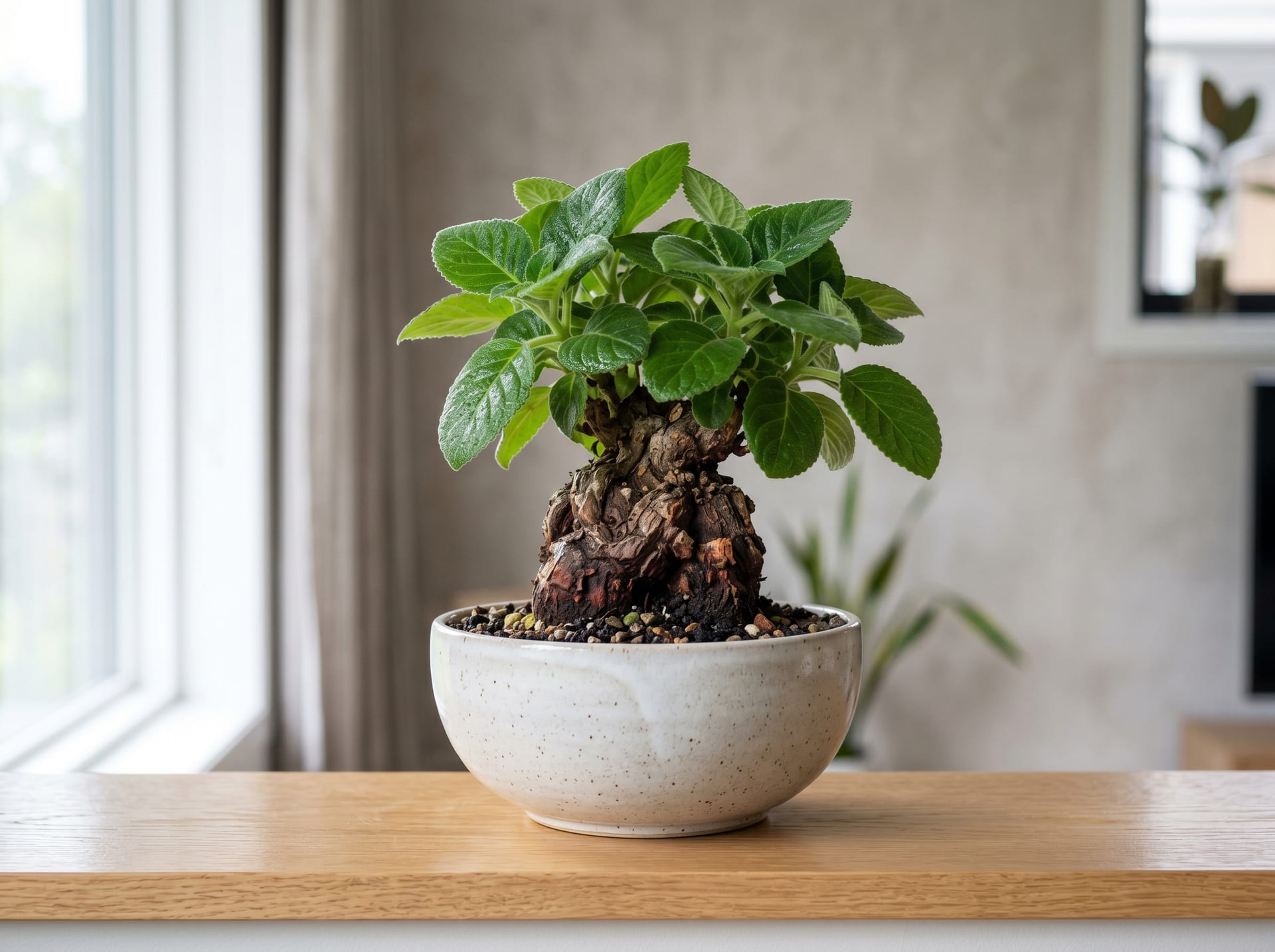
Sinningia
Sinningia is a gesneriad genus of about 90 species from Central and South America, centred on Brazil. Most species form a tuber and rest through the dry or cool season. From Brazilian edelweiss (S. leucotricha), known in Japan as the Queen of the Cliffs for its silvery-haired leaves, to the florist's gloxinia (S. speciosa) and small wild species and hybrids, flower color, flower shape and plant form vary widely. Check the species name when buying and follow that species' growth cycle.
View Sinningia encyclopedia →Grower Wanted!
List your plants on GrowerDirect and sell directly to customers nationwide!
6 Transparency Commitments from GrowerDirect
Our Grower disclose all key information for Caudex Plants listings, ensuring complete transparency on variety, origin, light needs, and difficulty.
- Variety Disclosed
- Real Plant Photos
- Color Details
- Origin Disclosed
- Light Requirements
- Difficulty Level
Browse all 146 varieties
Light Requirements
Difficulty Level
No listings match your filters
Adjust your filters, or get notified when new listings arrive.
Getting alerts is free with a member account. When new listings match your saved search, we'll notify you by email and in-app.
Browse other categories
Verified growers (preview)
Are you growing caudex plants?
Register as a grower and connect with buyers directly.
Apply as a growerSinningia key facts
- Growing Difficulty
- Intermediate
- Light & Placement
- Grow in bright partial shade to sun. Planting with the tuber exposed above the soil reduces rot and shows off its distinctive form.
- Watering
- Water on the leaves or growing point causes rot, so water the soil at the base. In growth water when the soil dries; during dormancy water sparingly.
- Temperature & Overwintering
- In the cold of winter the top growth dies back and the plant rests. Keep it indoors so the tuber does not freeze and water sparingly.
- Soil & Repotting
- Use a fast-draining mix and plant with the top of the tuber above the soil to prevent rot. The best time to repot is spring, as dormancy ends.
- Dormancy Care
- Once the top growth dies back, reduce water and let it rest on the dry side. When new shoots emerge from the top of the tuber in spring, gradually resume watering.
About Sinningia
Listings for the genus Sinningia. Sinningia is a gesneriad genus in which most species form a tuber, a swollen stem at or below the soil surface, and many are grown as caudex plants with the tuber displayed above the pot. The tubular to bell-shaped flowers come in red, orange, pink, purple, white and more, depending on the species. Most species grow from spring to summer and are kept dry and dormant as a tuber once the top growth dies back, but the timing of dormancy and cold tolerance differ between species. See the individual species pages, such as Brazilian edelweiss (Sinningia leucotricha), for species-specific details.
7 things to know before growing Sinningia
1Dormancy Varies by Species
Most Sinningia grow from spring to summer and die back to the tuber in autumn and winter, but the timing varies with the species and the condition of the plant. If the top growth dies back and the tuber is still firm, the plant is simply resting; reduce watering and let it sleep.
2Caudex Care and Repotting
The swollen tuber is the centerpiece of the plant and grows more impressive each year. Repot as the plant comes out of dormancy and new shoots begin to move, handling the roots gently. A pot only slightly larger than the tuber helps prevent root rot.
3Water Sparingly by Nature
Even in the growing season, let the soil dry before watering and keep the plant on the dry side. Excess moisture is the leading cause of tuber rot, so never leave water in the saucer. During dormancy withhold water almost entirely, giving only a little if the tuber starts to shrivel badly.
4Grow in Bright Light
Most species like bright light; without it they stretch and flower poorly. Indoors, use a bright window or a grow light. Some species scorch in strong midsummer sun, however, so adjust shading to suit the species.
5Flowering Depends on Caudex Size
Seedlings do not flower until the tuber has grown to a reasonable size. The time to first flower depends on the species, and species that build large tubers take longer. The flowering season also varies, but in most species it falls in the spring-to-summer growing season.
6Prioritize Fast-Draining Soil
Mix commercial succulent soil with pumice, kanuma, or perlite to make a free-draining blend with plenty of inorganic material. Standard flower potting soil retains too much moisture and should always be amended. A fast-draining mix dramatically reduces the risk of caudex rot.
7Propagate by Seed or Division
If seed sets after flowering, you can raise seedlings. The seed is extremely fine and is usually germinated by bottom-watering. Large tubers can also be divided, but let the cut surfaces dry thoroughly before planting to prevent rot.
Frequently asked questions about Sinningia
- Q.All the leaves died back—is the plant okay?
- A.Most Sinningia die back to the tuber to rest, so leaves dying at the end of the growing season is normal. If the tuber is firm, the plant is alive. Keep it on the dry side and new shoots will emerge from the top of the tuber when dormancy ends.
- Q.How do I get it to flower?
- A.Give plenty of light in the growing season and keep the plant properly dry during dormancy. Low light or constantly wet soil discourages flower buds. Once the tuber reaches a good size, meeting these conditions should bring flowers every year.
- Q.Can it be grown entirely indoors?
- A.Indoor cultivation is possible, but it needs a bright window or a full-spectrum grow light. Low-light conditions cause leggy growth and poor flowering. Some species scorch in strong midsummer sun, so adjust shading to suit the species. Moving the plant to a bright outdoor spot during the growing season significantly improves plant vigor.
- Q.Why is the caudex becoming soft?
- A.A soft caudex usually indicates rot caused by overwatering or poor drainage. Inspect the affected area, cut away any rotted tissue with a clean knife, allow the wound to dry out completely, and repot in fresh, fast-draining mix. Mild cases can often be saved with prompt action.
- Q.How many years from seed to first flower?
- A.It depends on the species: species that build large tubers take longer to flower. If you want flowers sooner, choose a plant with a well-developed tuber.
Handy Growing Tools for Sinningia
Learn more about Sinningia in the encyclopedia
View Sinningia encyclopedia entry →
Care difficulty, size, origin and light needs — all basics covered.
Sinningia related articles
See more Sinningia articles →More in this category
Can't find the plant you're looking for?
Post your wishes for free and growers with matching plants will contact you with introductions.