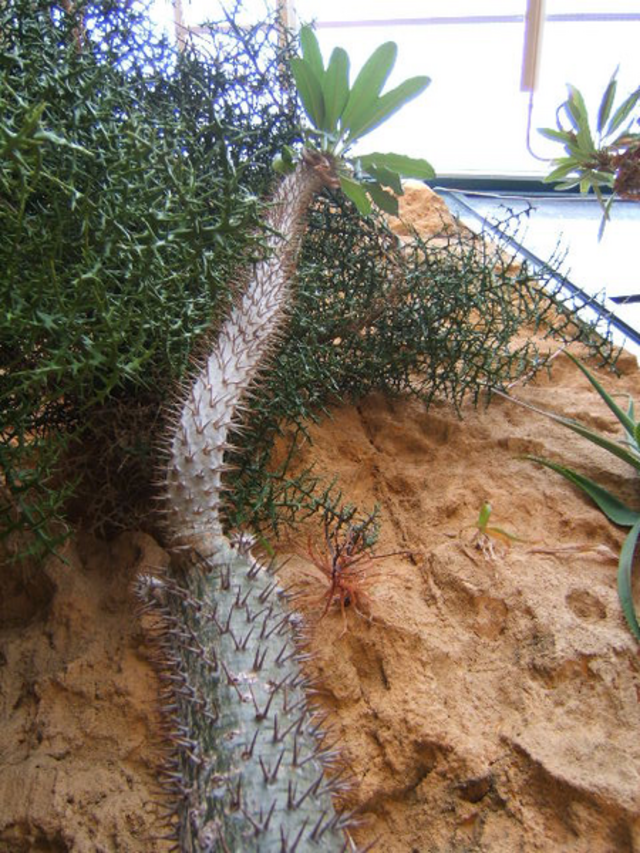
 © User:Qwertzy2 / CC BY-SA 3.0
Grower Direct Sales Marketplace
Caudex Plants Online Shopping | Direct from Growers
Purchase Caudex Plants directly from verified Grower. Every listing displays variety, origin, light requirements, and care difficulty.
Grower Wanted!
List your plants on GrowerDirect and sell directly to customers nationwide!
6 Transparency Commitments from GrowerDirect
Our Grower disclose all key information for Caudex Plants listings, ensuring complete transparency on variety, origin, light needs, and difficulty.
- Variety Disclosed
- Real Plant Photos
- Color Details
- Origin Disclosed
- Light Requirements
- Difficulty Level
Browse all 146 varieties
Light Requirements
Difficulty Level
No listings match your filters
Adjust your filters, or get notified when new listings arrive.
Getting alerts is free with a member account. When new listings match your saved search, we'll notify you by email and in-app.
Browse other categories
Verified growers (preview)
Are you growing caudex plants?
Register as a grower and connect with buyers directly.
Apply as a growerCan't find the plant you're looking for?
Post your wishes for free and growers with matching plants will contact you with introductions.
Explore the plant encyclopedia

About caudex plant
The caudex plant category on GrowerDirect lets you welcome caudex plants prized for their plump bases — Pachypodium, Adenium, Operculicaria and more — directly from the growers. With few steps in distribution, you can check key details such as the caudex condition, whether it is rooted, and whether it is a field-collected or seed-grown plant. Learn each type's nature and seasonal care before you start.
7 things to know before growing caudex plant
1Know the difference between field-collected and seed-grown plants
Caudex plants include field-collected plants imported from their habitat and seed-grown plants raised from seed. Field-collected plants have a striking presence but often need rooting care, while seed-grown plants tend to adapt more easily. Know which it is and choose a plant that matches your experience.
2Understand the importance of rooting management
Imported field-collected plants may arrive with their roots cut, so rooting management to grow new roots is essential. Rooting needs moderate warmth, soil moisture, and brightness. A rooted plant reduces the workload, so always confirm whether the plant is rooted at the time of listing.
3Keep plants dry and resting during dormancy
Many caudex plants drop their leaves and go dormant in the cold season. Continuing to water during dormancy can rot the roots or caudex. As leaves begin to fall, gradually reduce watering, and during dormancy keep plants essentially dry in a warm, dry spot for next year's growth.
4Grow with strong light
Many caudex plants grow under strong sun in their habitats, so ample light is essential. Too little light stretches the branches and slows caudex thickening. Grow them in full sun or the brightest spot during the growing season, and indoors a grow light helps maintain a tight form.
5Use a well-draining soil mix
Caudex plants are sensitive to excess moisture, and poorly draining soil damages the caudex and roots. A well-draining mix with plenty of pumice and volcanic soil suits them. Water thoroughly when dry in the growing season and keep dry in dormancy, maintaining soil that dries properly.
6Repot before the growing season
Repotting caudex plants suits the timing just before growth begins. Repotting into fresh soil as dormancy ends gets the roots moving toward the growing season. It is also a chance to check the roots and caudex, so repot carefully while looking for any damage.
7Confirm the caudex condition, rooting, and environment with the grower
On GrowerDirect you welcome plants directly from growers, so you can ask the seller about the firmness and scars of the caudex, whether it is rooted, and whether it is field-collected or seed-grown. Knowing the prior environment makes rooting and seasonal care at home easier.
Frequently asked questions about caudex plant
- Q.Which is easier to grow — field-collected or seed-grown?
- A.Seed-grown plants generally adapt more easily and need less rooting care. Field-collected plants have a striking presence but often need rooting management, so choose based on your experience and the time you can devote.
- Q.What is rooting management?
- A.It is the care of getting a plant that arrived with cut roots to grow new ones. You maintain moderate warmth, moisture, and brightness while waiting for roots. Choosing an already rooted plant skips this step and is easier for beginners.
- Q.How should I care for caudex plants in winter?
- A.Many caudex plants drop their leaves and go dormant in winter. As leaves begin to fall, reduce watering, and during dormancy keep plants essentially dry in a warm, dry spot for next year's growth.
- Q.The leaves are falling — has the plant died?
- A.Leaf drop in the cold season is a sign of dormancy and does not necessarily mean the plant has died. If the caudex stays firm and plump, it is usually healthy. Keep it dry during dormancy and wait for it to wake as it warms.
- Q.How can I get the caudex to thicken?
- A.The caudex thickens little by little when light, water, and adequate warmth come together in the growing season. Growing the plant well under strong light and letting it rest in dormancy — keeping the seasonal cycle — supports gradual thickening over time.
Handy Growing Tools for caudex plant
caudex plant related articles
How to Grow Boccarnea recurvata (Ponytail Palm) | A Guide to Growing Classic Caudex Plants
A guide to light, watering, and repotting for Boccarnea recurvata, known for its distinctive bottle-shaped swollen stem.
Pachypodium Gracilius Winterization and Root Rot Rescue Technique | Dormancy Period Management, Watering Adjustment, and Recovery Guide from Decayed Roots
Explains Pachypodium gracilius winterization management and root rot rescue technique. Introduces practical methods from watering adjustments during dormancy to root removal and regeneration procedures.
Adenium (Desert Rose) Overwintering Management | Winter Temperature, Water, and Dormancy Strategy
Adenium is a caudex plant native to the tropics, and winter management is the greatest challenge. This article provides detailed, practical overwintering strategies covering essential temperature management, securing light, and water adjustment, from autumn preparation through winter watering and spring recovery. It also covers troubleshooting for common problems such as leaf drop, root rot, and poor sprouting.
Rooting and Initial Care of Pachypodium Gracilius
Methods for encouraging root development in imported bare-root Pachypodium gracilius. Explains the preparation of pots, soil media, and temperature conditions; watering practices during rooting (maintaining primarily dry conditions); how to confirm successful rooting and interpret key indicators; initial post-rooting care; and seasonal management guidelines.
Moringa Care Guide | The Allure and Management of the 'Tree of Life,' a Caudex Plant
Moringa, known for fast growth and also called the 'Tree of Life,' is gaining attention in horticulture. This guide consolidates key points for cultivation as a caudex plant, including seed sowing, placement, watering, and winter care.
How to Cultivate Uncarina | Differences Between Madagascar Endemic Grandidieri and Roeoesliana
Explains the appeal and cultivation methods of Uncarina, a Madagascar endemic caudex plant. Introduces the differences between Uncarina grandidieri and roeoesliana, growing from seed, and repotting timing.